
Domestic solar panel installation
Systems for houses and bungalows, sized from your yearly electricity use and the roof space that is actually free of shade.
Home / Services / Heating & Renewable Energy / Solar Panels & Battery Storage
Our solar panel installation service covers the roof survey, panel layout, inverter, optional battery and the paperwork with your network operator, so you start using your own electricity.
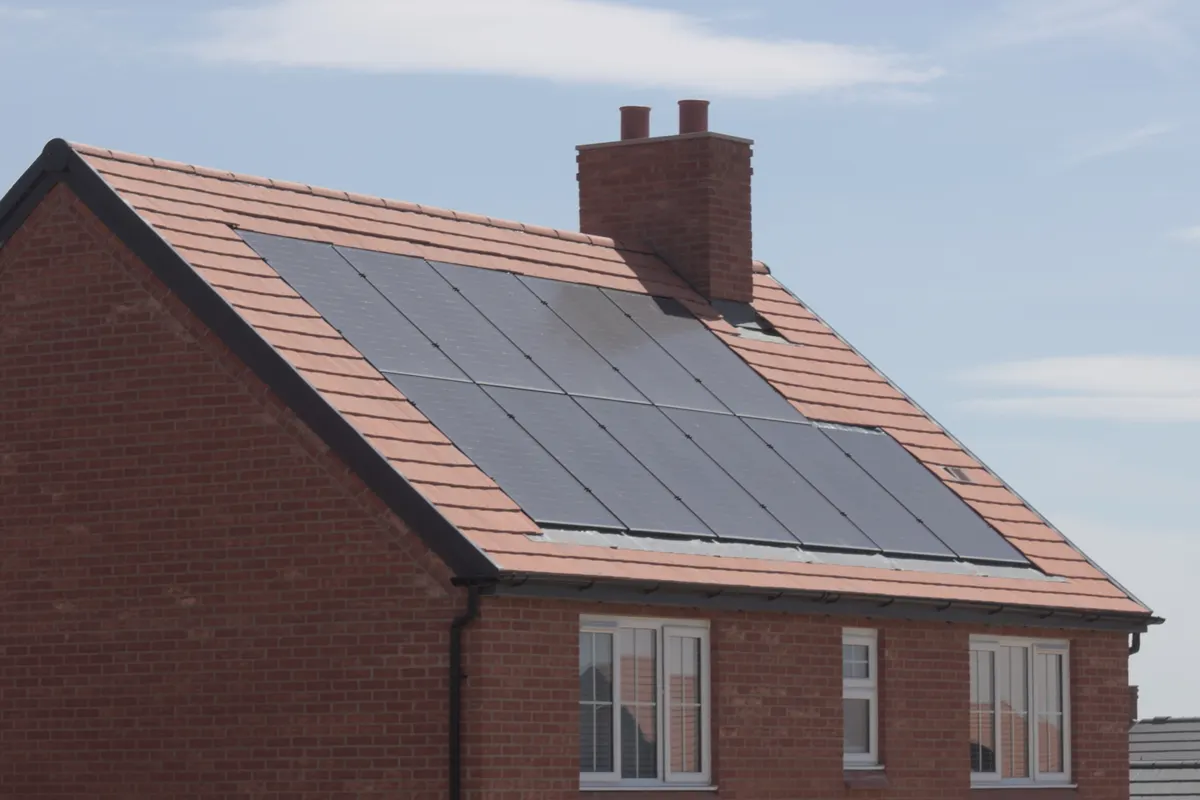
Solar PV panels turn daylight into electricity that your property uses first, before it draws anything from the grid. They work on bright overcast days as well as in full sun, just at a lower output. EcoBuild Contractors provides solar panel installation for houses, bungalows and commercial roofs, with or without a battery, and we design each system around how and when you actually use power.
A south-facing roof gives the highest yield, but east and west roofs still perform well and spread generation across the morning and late afternoon. Shading from chimneys, trees or neighbouring buildings matters more than many people expect, so we check it on site rather than relying only on satellite images.
Adding a battery lets you store daytime surplus for the evening, when most households use the most electricity. Anything you still cannot use can be sold to an electricity supplier under the Smart Export Guarantee, which needs an MCS certified installation and a meter that records exports. We size the battery from your real usage rather than the largest model available.
Systems for houses and bungalows, sized from your yearly electricity use and the roof space that is actually free of shade.
Panels fixed on rails to tiled or slate pitched roofs, with the cabling routed tidily through the loft to the inverter.
Larger arrays for offices, workshops, shops and warehouses, where daytime use lines up well with when panels generate.
Wall or floor-mounted batteries sized from your evening and overnight use, fitted with new panels or added to an existing system.
Fitting the right inverter for a new array, or swapping a failed or ageing one, often the first part of an older system to need attention.
Extending an existing array, adding a battery or upgrading monitoring so you can see generation, use and exports in one app.
A check of roof direction, pitch, shading and structure alongside your usage, so you know what a system could realistically produce.
Periodic checks of panels, fixings, cabling, isolators and inverter readings to catch faults that quietly reduce output.
Every unit your panels supply is a unit you do not buy from your supplier, which is why daytime use gives the best return.
Stored solar keeps lights, cooking and TV running after sunset, and many batteries can also charge on cheaper overnight tariffs.
Surplus electricity sent to the grid can earn a per-unit payment from a supplier through the Smart Export Guarantee.
Panels have no moving parts and need only occasional checks of the inverter, fixings and anything shading the array.
It depends on your yearly electricity use, the usable roof area and your budget, rather than the number of bedrooms. Your annual use in kilowatt hours is on a recent bill or in your supplier's app. A small household may only need a modest array, while homes with an electric car or a heat pump can often justify filling the roof.
Roof space is frequently the real limit. Panels need clearance from the ridge and edges, and dormers, roof windows and vent pipes break up the area available. We draw the layout on your actual roof measurements so the quote shows exactly what fits and where.
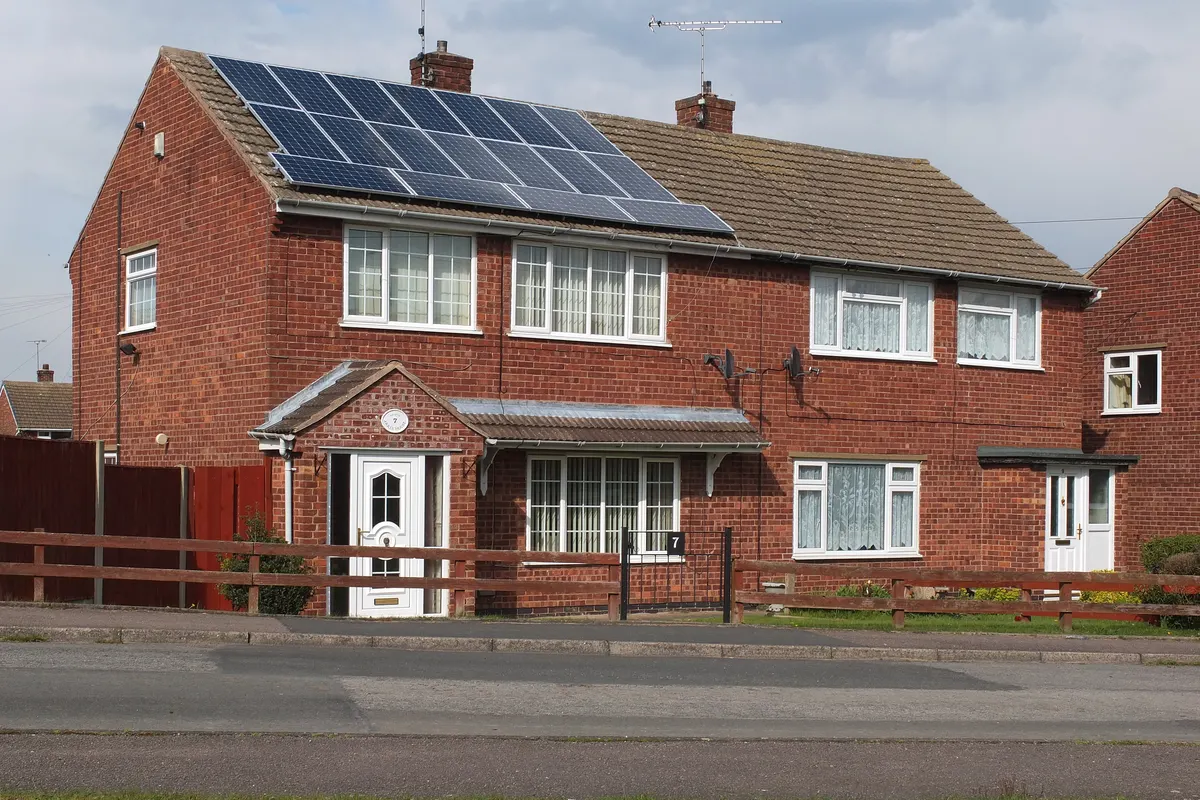
On most houses in England, roof-mounted panels are permitted development, so no planning application is needed as long as they do not project too far from the roof surface. Listed buildings, flats and some conservation areas have extra rules, and we check these before quoting.
Separately, your local electricity network operator has to be told about the connection. Smaller domestic systems are usually notified after installation, while larger systems, or those with big batteries, need approval before work starts. We deal with this paperwork as part of the job.
Yes, they generate whenever there is daylight, though winter output is much lower than summer because days are shorter and the sun sits lower. Cold, bright days can actually help panel efficiency.
A battery pays off best if you are out during the day and use most of your power in the evening, or if you are on a time-of-use tariff. We look at your usage pattern and tell you honestly whether the extra cost is likely to be worth it.
It is a scheme, overseen by Ofgem, that requires larger electricity suppliers to offer a tariff for the solar electricity you export. Each supplier sets its own rate, so it pays to compare, and the system must be MCS certified with a meter that records exports.
Panels are fixed with brackets that hook under the tiles onto the rafters, and any tiles disturbed are refitted or replaced. We check the roof condition first and tell you if repairs make sense before the panels go on.
Most solar systems are paid for privately. Lower-income households in England may be eligible for solar through their council's Warm Homes: Local Grant, and government-backed Warm Homes loans for solar and batteries are being introduced through lenders. We check what you qualify for when you enquire.
Tell us a little about your property and the work you need. Add a few photos if you can, it helps us give you an accurate price sooner.
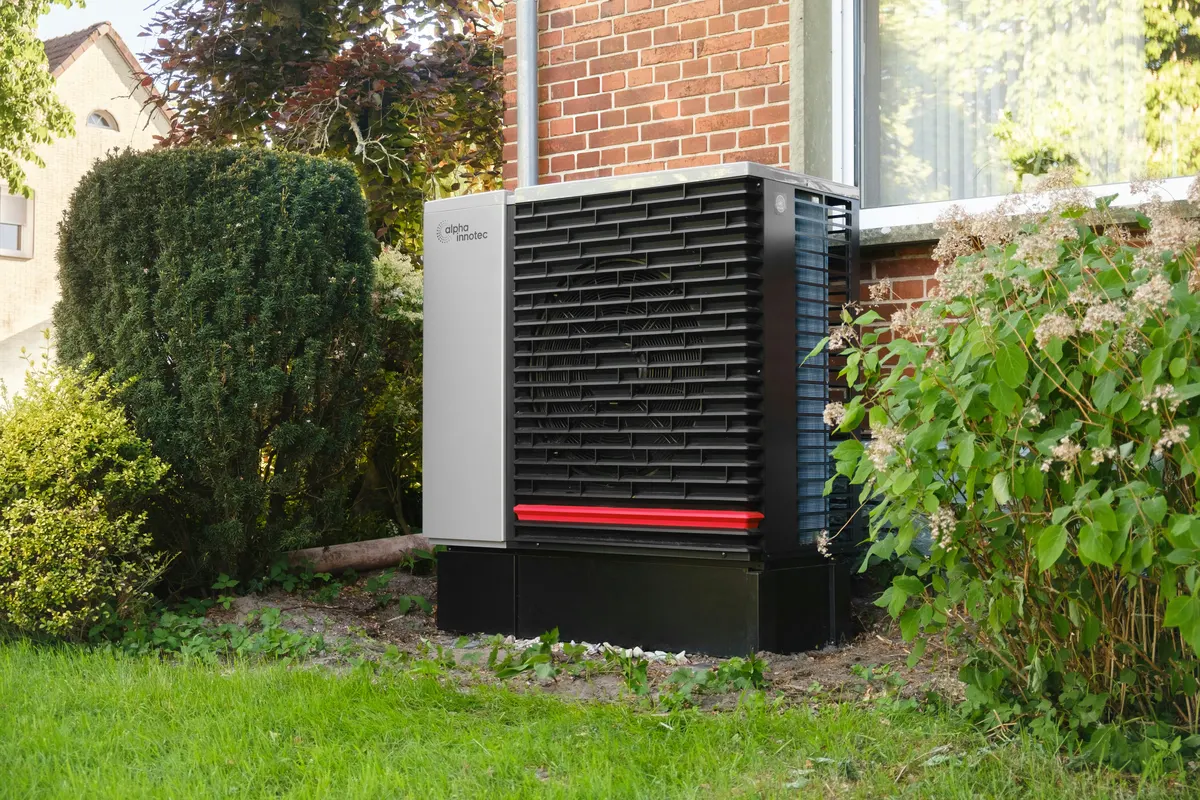
Swap gas, oil, LPG or electric heating for a heat pump sized from a proper heat loss survey, with grant eligibility checked before you commit.
Learn more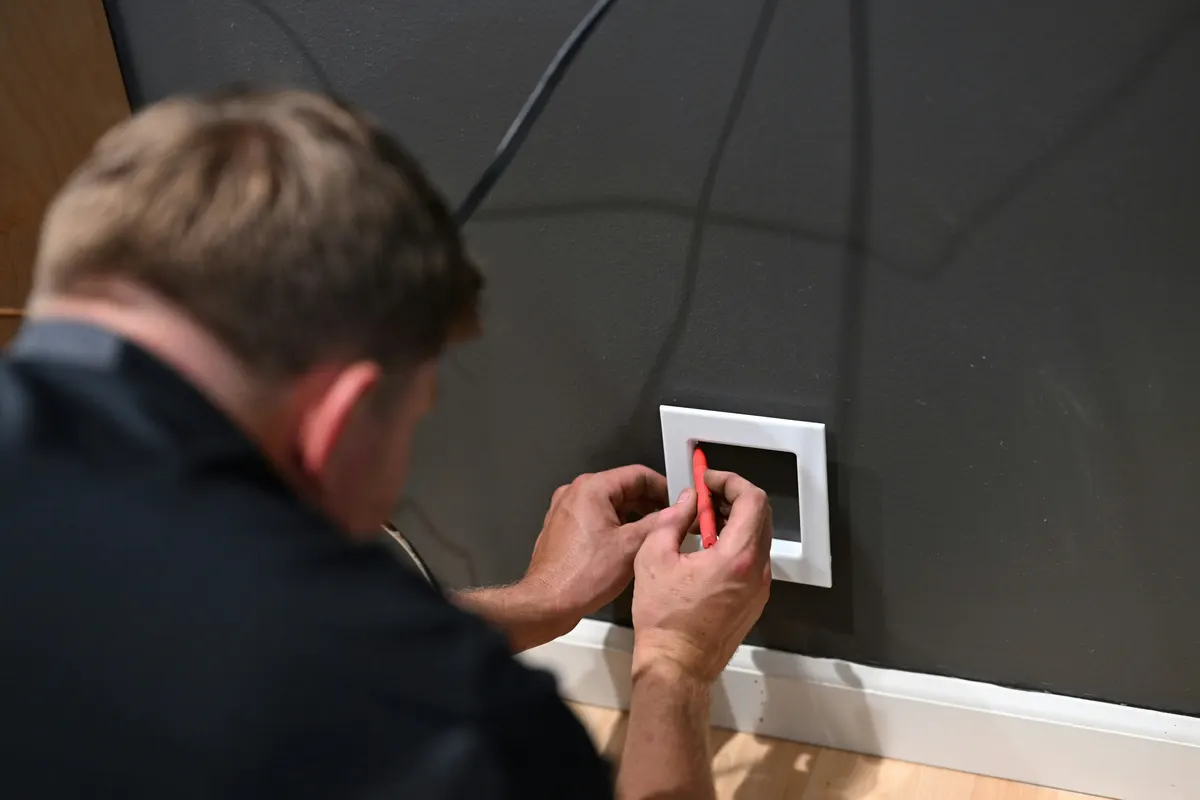
Electricians for homes, landlords and businesses: EICRs, consumer unit upgrades, EV charge points, fault finding, new sockets and lighting, all tested and certified.
Learn more
Full and partial rewires to BS 7671 with new consumer units, extra sockets and RCD protection, planned room by room and certified under Part P.
Learn moreEcoBuild Contractors
Chat with us on WhatsApp
Hi there 👋
Send us a message or a few photos of the job and we will come back to you with a free quote.
We value your privacy
We use cookies to make this website work. With your consent we also use analytics cookies to see how people use the site, and advertising cookies to measure our ads. You can accept all, reject all or choose which ones to allow, and change your mind at any time. Cookie policy
Privacy preference centre
Choose which cookies we can use. Strictly necessary cookies are always on because the site cannot work without them. Your choice is saved on this device.
Remember your cookie choice. No tracking.
Google Analytics counts visits and shows which pages help people, so we can improve the site.
Google Ads measures whether our adverts lead to enquiries. Only used if you allow it.