
Complete first-time systems
The full design and installation, from heat loss figures and the heat source to the last radiator valve.
Home / Services / Heating & Renewable Energy / First-Time Central Heating
If your property has never had a wet heating system, a first time central heating installation gives you radiators in every room, proper controls and hot water from one source.
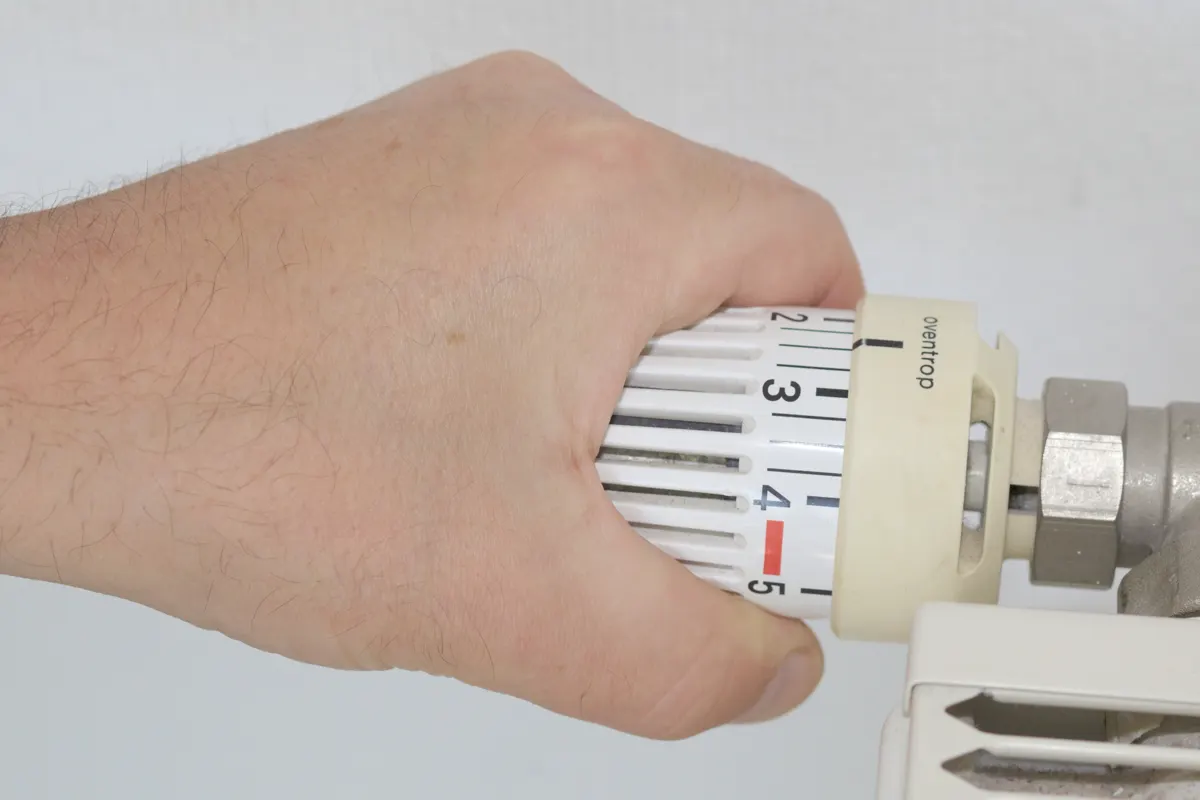
Plenty of homes still rely on electric storage heaters, a gas fire in the lounge, plug-in heaters or an open fire, with no boiler or radiators at all. First time central heating replaces that patchwork with one system that warms every room and supplies hot water. EcoBuild Contractors plans and installs the whole system for houses, flats and small commercial premises, from the pipe runs to the final controls.
Because there is nothing to reuse, the job starts with a blank sheet. We work out the heat each room needs, choose the heat source, size the radiators and plan pipe routes that disturb as few floorboards as possible. Where the home has a gas supply, a condensing boiler fitted by Gas Safe registered engineers is a common choice; where it does not, a heat pump can run the system instead.
ECO4 has funded first-time systems for some low-income households, but it has a final end date of 31 December 2026, and new cases may not be approved and fitted in time. Lower-income homes in England may get help with low-carbon heating, though not gas boilers, through their council's Warm Homes: Local Grant. We explain the options and never promise funding before it is approved.
The full design and installation, from heat loss figures and the heat source to the last radiator valve.
A condensing gas boiler and flue where the property has a gas supply, or an air source heat pump and cylinder where it does not.
Copper or plastic pipe runs laid under floors and through walls, and boxed in neatly where they have to stay on show.
Radiators sized for each room's heat loss and positioned to work around furniture, windows and doors.
A TRV on each radiator, so bedrooms can run cooler than living areas without anyone touching the boiler.
Time and temperature control from a programmer or smart thermostat, with separate zones in larger homes.
A combi boiler for instant hot water, or a cylinder where the household, the water pressure or a heat pump calls for stored water.
Filling, pressure testing, balancing and setting up every part of the new system, with the paperwork handed over at the end.
We tell you which schemes, if any, may apply to your property and household, and what you would need to apply.
No more cold bedrooms and back rooms while one heater works hard in the lounge.
Unlike storage heaters, which charge overnight and release heat on their own schedule, central heating comes on when your timer or thermostat asks for it.
Steady background warmth throughout the house helps keep walls and windows above the temperature at which condensation forms.
One heat source looks after radiators and taps, so you depend less on an electric immersion heater.
It is more involved than a boiler swap, because pipes have to reach every room. Expect some carpets to be lifted and floorboards raised along the pipe routes, holes drilled through walls and joists, and several days of work in a typical house. In homes with solid concrete floors, pipes usually run along skirting boards or are boxed in instead.
We work room by room where we can, protect floors and furniture with sheets and covers, and put boards back as we go. Most people stay at home during the work, and we tell you in advance which days the water or power will be off.
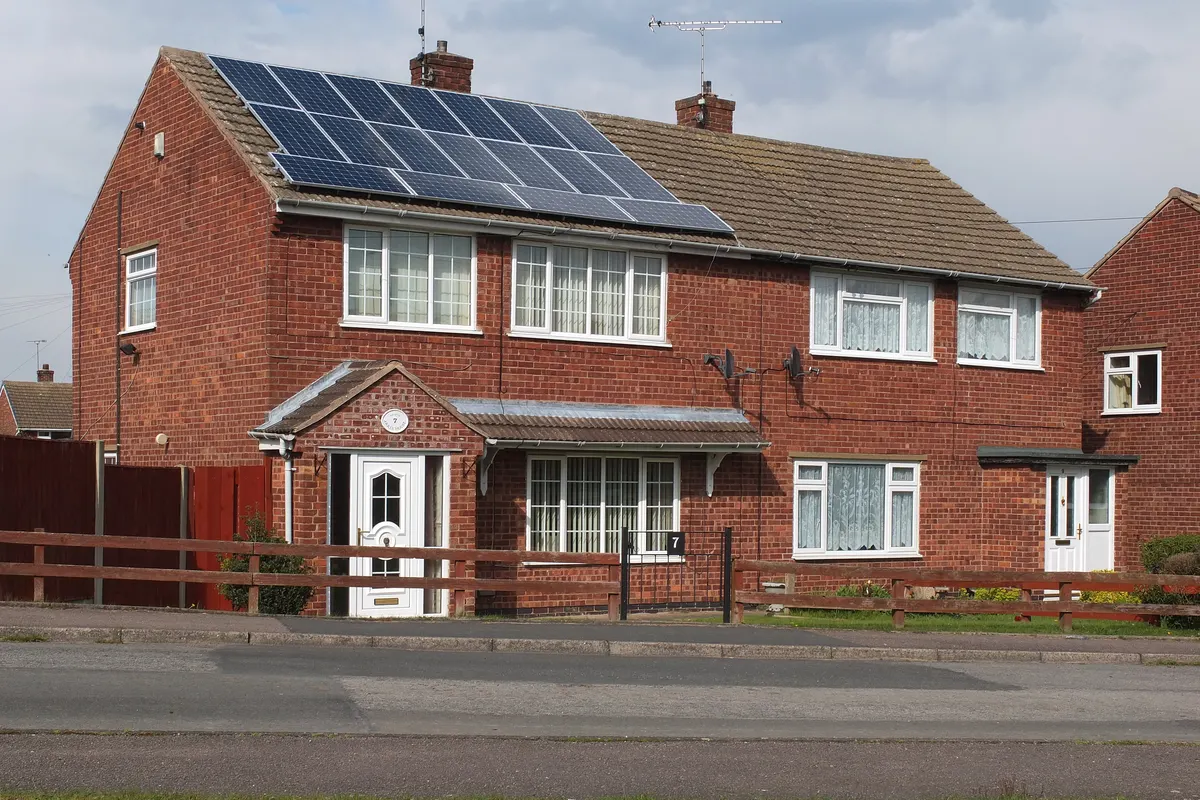
If your home is already connected to mains gas, a condensing gas boiler is usually the lowest upfront cost. If there is no gas supply, the cost and wait for a new connection can make a heat pump the more sensible route, and a heat pump may be eligible for a Boiler Upgrade Scheme grant, depending on the heating it replaces.
Designing for a heat pump from day one has a real advantage: the radiators and pipework are sized for low water temperatures from the start, so there is no later upgrade to pay for. Where both routes are realistic, we price them side by side so you can compare.
Yes. Storage heaters are one of the most common reasons people ask us for a first-time system. We remove them once the new radiators are working and make the old circuits safe.
Not as a rule. Some eligible low-income households have had funded systems through ECO4, but it has a final end date of 31 December 2026 and funding depends on a survey and the scheme's rules, so we check what you may qualify for when you enquire.
No. A heat pump can run a central heating system without gas. If you want a gas boiler and there is no supply, the gas network operator has to provide a new connection first, which takes time and is charged separately.
The landlord has to agree, because the system becomes part of the property. Landlords also have to meet minimum energy efficiency standards for rented homes, and a first heating system is often one of the most effective ways to improve the rating.
It depends on the size of the property and the type of floors, so a small flat takes far less time than a three-storey house. We give you a planned schedule with the quotation.
Tell us a little about your property and the work you need. Add a few photos if you can, it helps us give you an accurate price sooner.
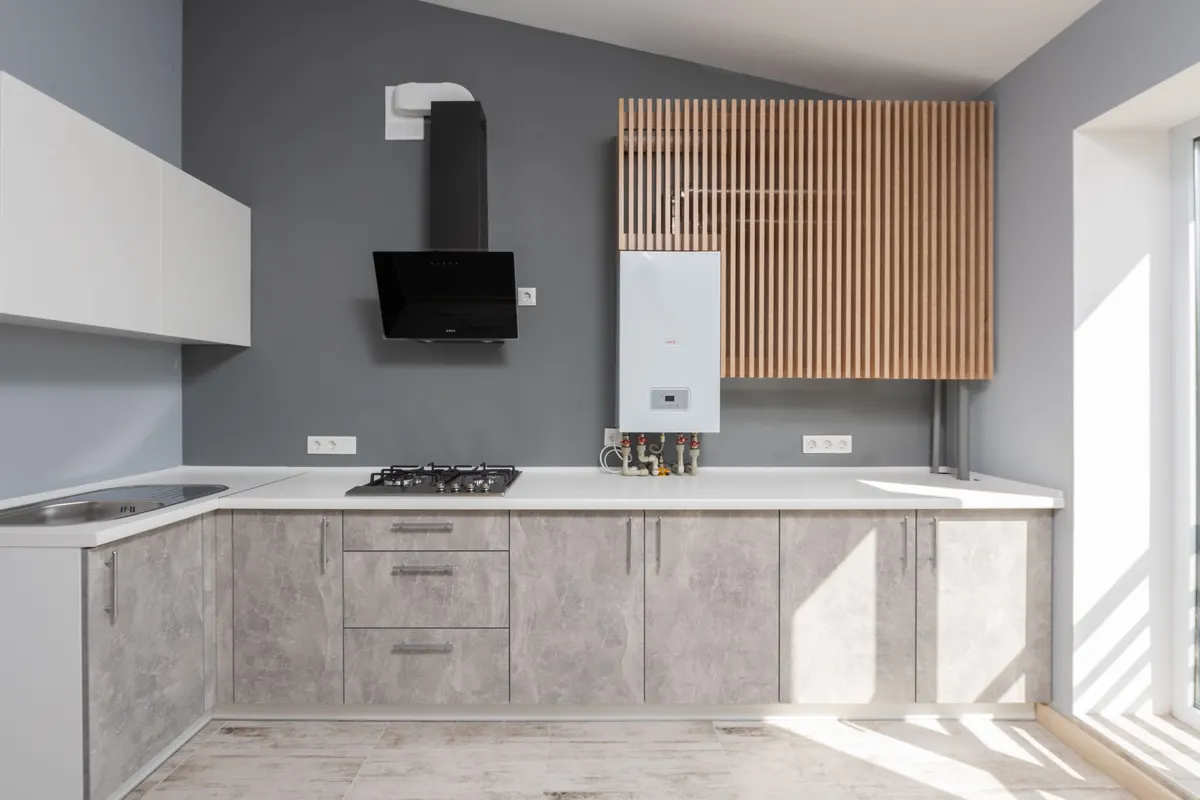
Replace an old, inefficient or broken boiler with a modern condensing model, fitted with proper controls by Gas Safe registered engineers.
Learn more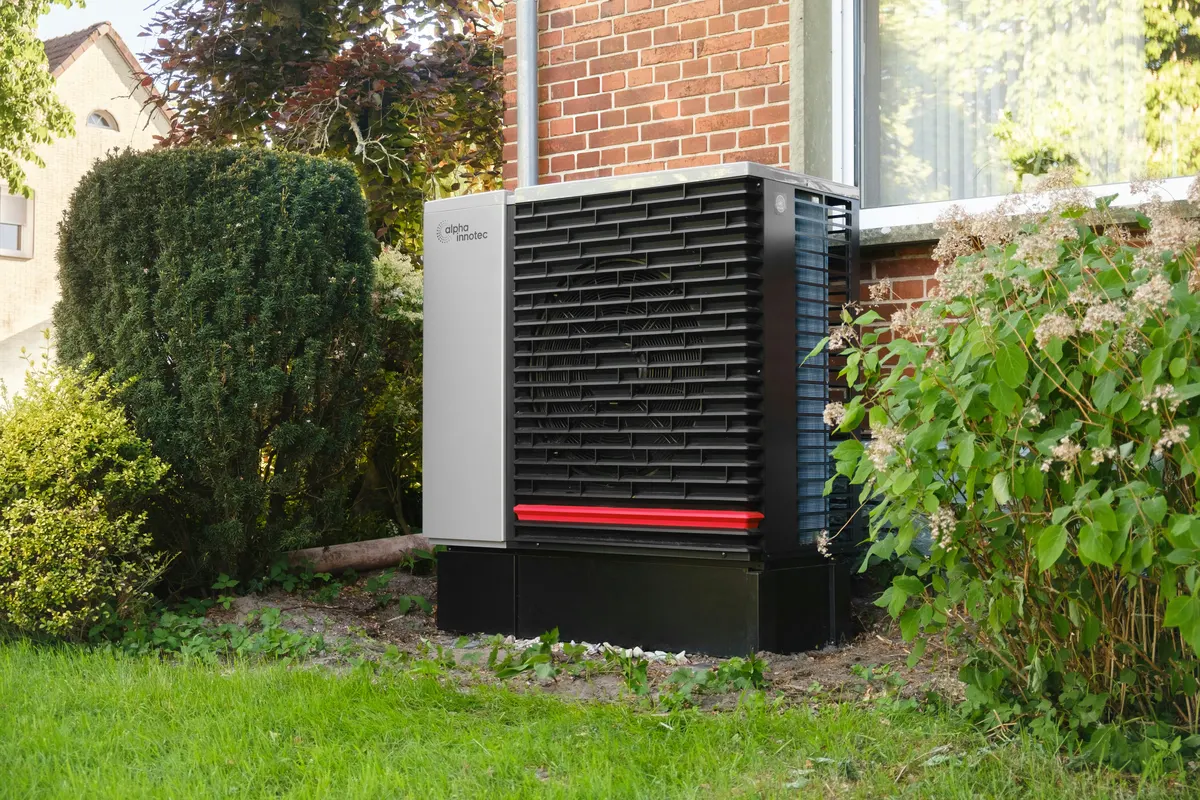
Swap gas, oil, LPG or electric heating for a heat pump sized from a proper heat loss survey, with grant eligibility checked before you commit.
Learn more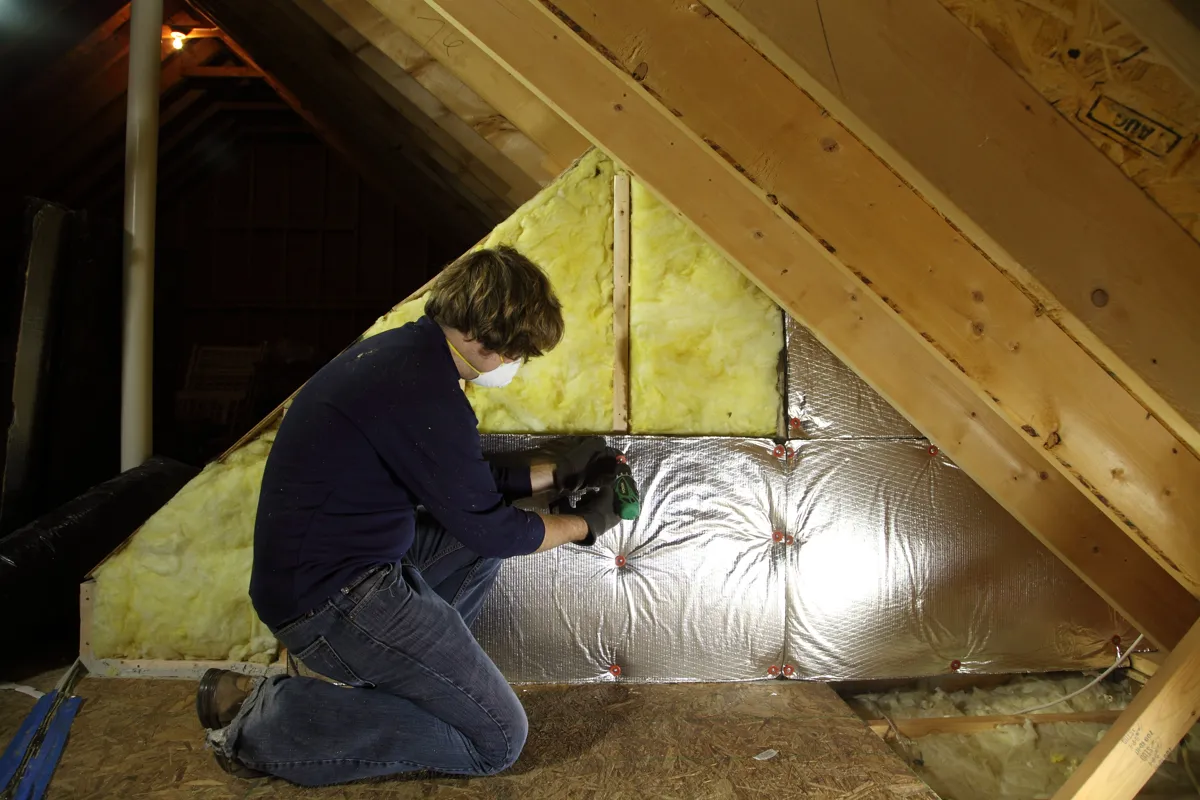
Old insulation removed, new mineral wool laid to around 270 to 300mm, then a raised storage floor, ladder and hatch fitted so the loft works properly.
Learn moreEcoBuild Contractors
Chat with us on WhatsApp
Hi there 👋
Send us a message or a few photos of the job and we will come back to you with a free quote.
We value your privacy
We use cookies to make this website work. With your consent we also use analytics cookies to see how people use the site, and advertising cookies to measure our ads. You can accept all, reject all or choose which ones to allow, and change your mind at any time. Cookie policy
Privacy preference centre
Choose which cookies we can use. Strictly necessary cookies are always on because the site cannot work without them. Your choice is saved on this device.
Remember your cookie choice. No tracking.
Google Analytics counts visits and shows which pages help people, so we can improve the site.
Google Ads measures whether our adverts lead to enquiries. Only used if you allow it.