
EICRs and electrical testing
Periodic inspection and testing of the whole installation, with defects coded and a written report for homeowners, buyers and businesses.
Home / Services / Electrical Services / Domestic & Commercial Electricians
Domestic and commercial electricians for testing, repairs, upgrades and new installations, from a single extra socket to landlord EICRs and EV charge points.
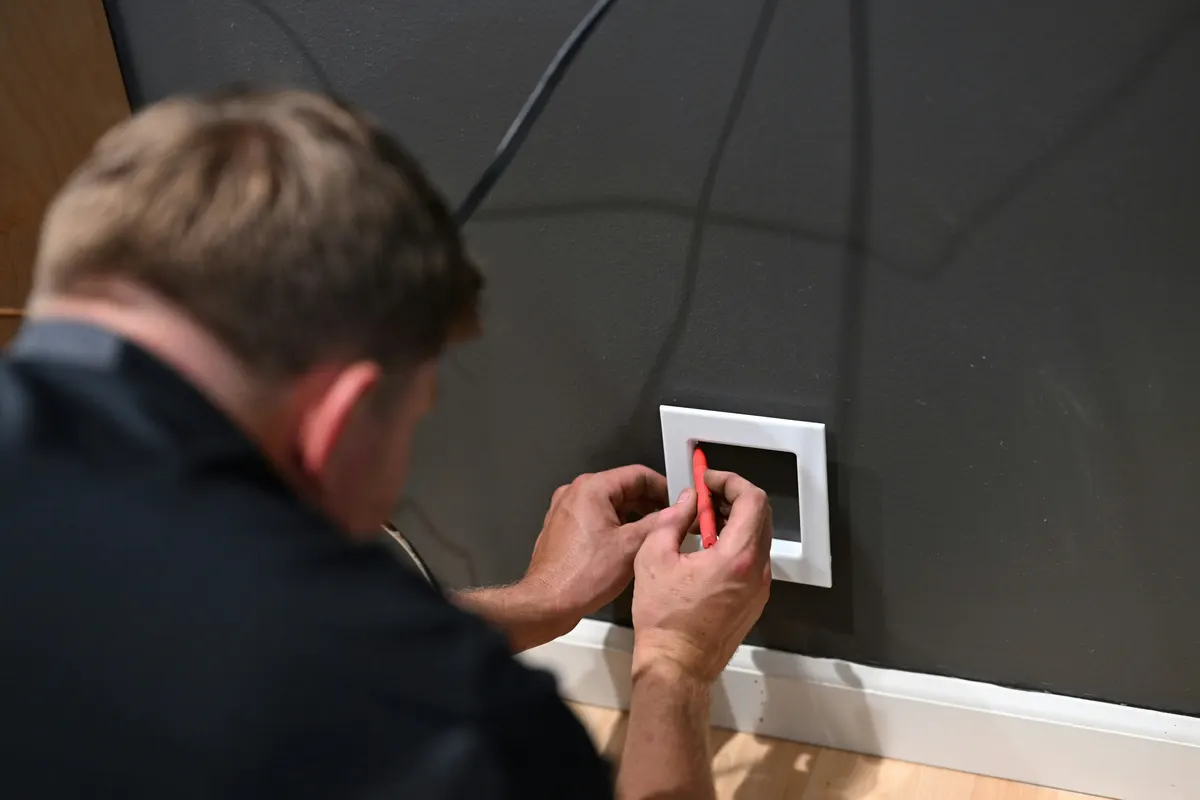
Our domestic and commercial electricians handle the everyday electrical work that homes, landlords and businesses need: fault finding, extra sockets and lighting, consumer unit upgrades, Electrical Installation Condition Reports and EV charge points. Electrical work is carried out by competent, qualified electricians with certification provided where applicable, and every job is tested before we leave the site.
For homeowners that might mean tracking down a breaker that keeps tripping, fitting outside lights or adding a dedicated circuit for a new shower. For landlords it means meeting the inspection rules for rented homes and fixing anything the report flags. For shops, offices and small commercial units it means safe, compliant installations planned around opening hours.
We work to BS 7671, the national standard for electrical installations, and follow Part P of the Building Regulations for work in homes. Before any job is booked you get a free, no-obligation quotation that sets out exactly what will be done, roughly how long it should take and which certificates you will receive at the end.
Periodic inspection and testing of the whole installation, with defects coded and a written report for homeowners, buyers and businesses.
EICRs for private rented homes and HMOs, plus any remedial work needed to meet the electrical safety regulations for rented property.
Outdated fuse boards replaced with a modern consumer unit offering RCD or RCBO protection, and surge protection where required.
Home and workplace electric vehicle chargers on their own circuit, with the incoming supply and earthing checked first.
Tripping breakers, dead sockets, flickering lights and burning smells traced to the cause and put right safely.
Extra sockets and switches, USB points, LED lighting upgrades, and new circuits for extensions and loft conversions.
Security lights, floodlighting, outside sockets and armoured supplies to garden rooms, garages and outbuildings.
Electric shower installations, cooker circuits, extractor fan connections and kitchen or bathroom wiring during a refit.
Installations, alterations, smoke and heat alarms and periodic testing for shops, offices and small commercial premises.
From a single fault to a full consumer unit change, the same electricians can test, quote and complete the work.
Notifiable work is certified and test results are recorded, so you have proof for insurers, buyers and tenants.
Inspections, remedial work and copies of the report are organised in one place, so you can meet your legal duties without chasing several trades.
Domestic jobs are booked at times that suit the household, and commercial work can be scheduled to limit disruption to trading.
In England, the Electrical Safety Standards in the Private Rented Sector (England) Regulations 2020 require landlords to have the electrical installation in their rented homes inspected and tested by a qualified and competent person at least every five years. A copy of the report must be given to existing tenants within 28 days of the inspection, and to new tenants before they move in.
If the report records defects coded C1, C2 or FI (further investigation required), the landlord must have the work done within 28 days, or sooner if the report says so, and then obtain written confirmation that it is complete. We carry out the inspection, explain each finding in plain English, and can complete the remedial work and provide that confirmation.
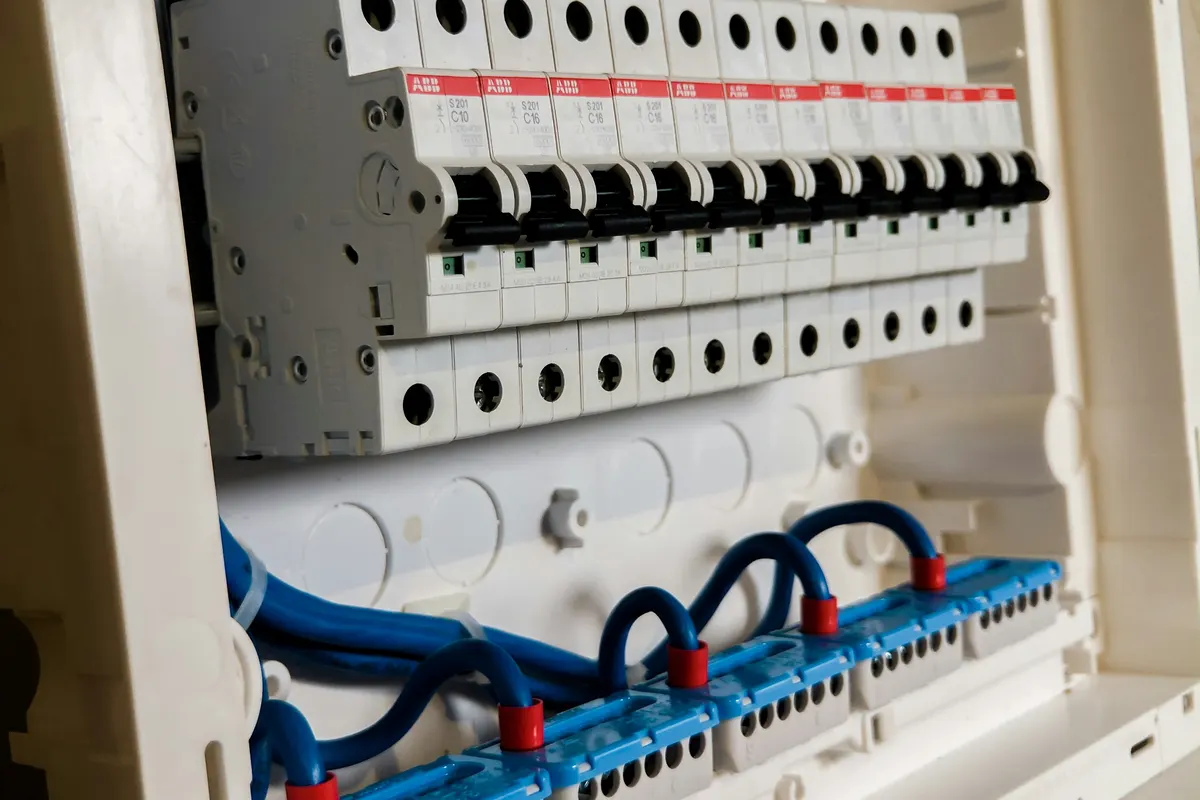
Part P of the Building Regulations covers electrical safety in homes in England. Certain jobs are notifiable, including installing a new circuit, replacing a consumer unit, and adding to or altering circuits in the special location around a bath or shower. Notifiable work must be certified, either by an electrician registered with a competent person scheme or through building control.
Smaller jobs, such as replacing a socket or light fitting like for like, are not notifiable but still have to meet BS 7671. Keep the certificates for any electrical work, because solicitors, buyers and insurers often ask to see them.
For owner-occupied homes, an inspection is generally recommended at least every ten years and when you buy a property. Private rented homes in England must be inspected at least every five years.
Yes, provided the supply and earthing arrangement are suitable. We check the consumer unit and main fuse first, then fit the charger on its own circuit with the protection it needs.
Yes. We inspect and test shops, offices and other commercial premises, and the report can be shared with insurers, landlords and fire risk assessors.
It checks the condition of wiring, earthing, bonding, protective devices, sockets and fittings, and records test results for every circuit. Defects are coded so you can see what is dangerous and what is a recommended improvement.
Common causes are a faulty appliance, moisture in an outside socket or light, or damaged cable. Unplug appliances one at a time to see if one is to blame, and call an electrician if it keeps happening.
Tell us a little about your property and the work you need. Add a few photos if you can, it helps us give you an accurate price sooner.
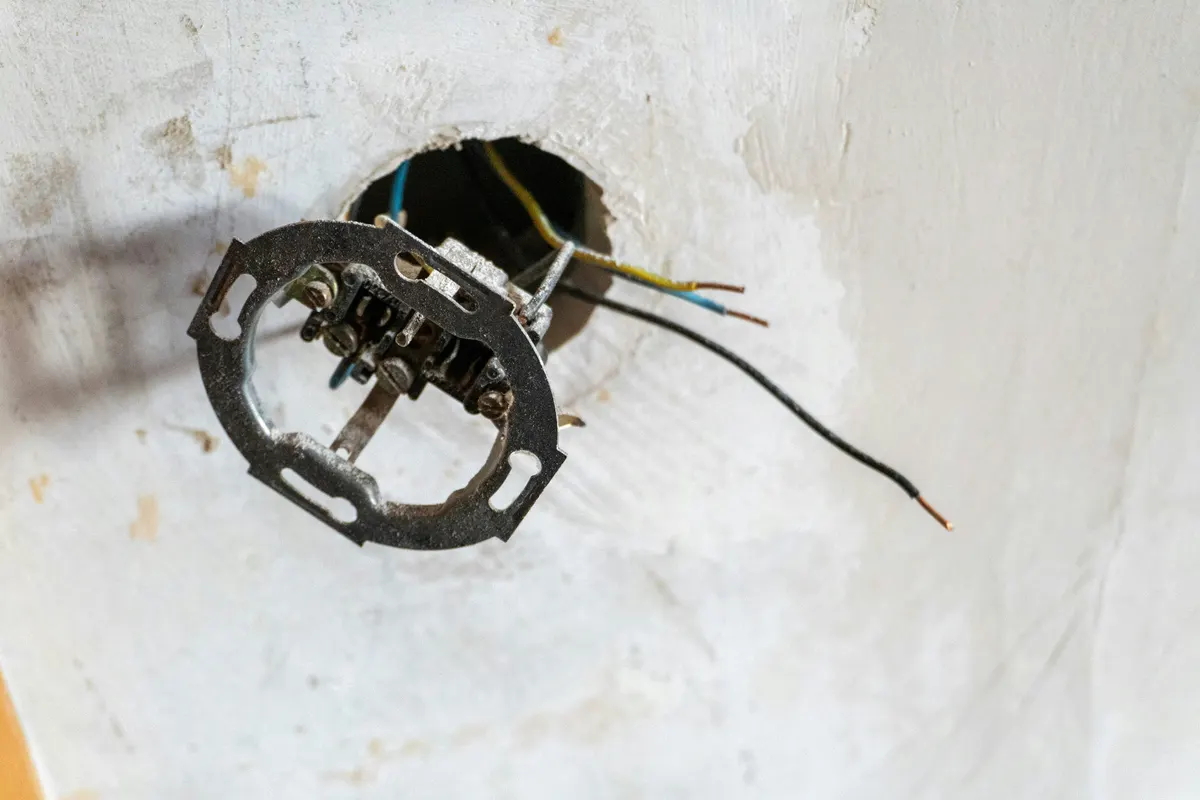
Full and partial rewires to BS 7671 with new consumer units, extra sockets and RCD protection, planned room by room and certified under Part P.
Learn more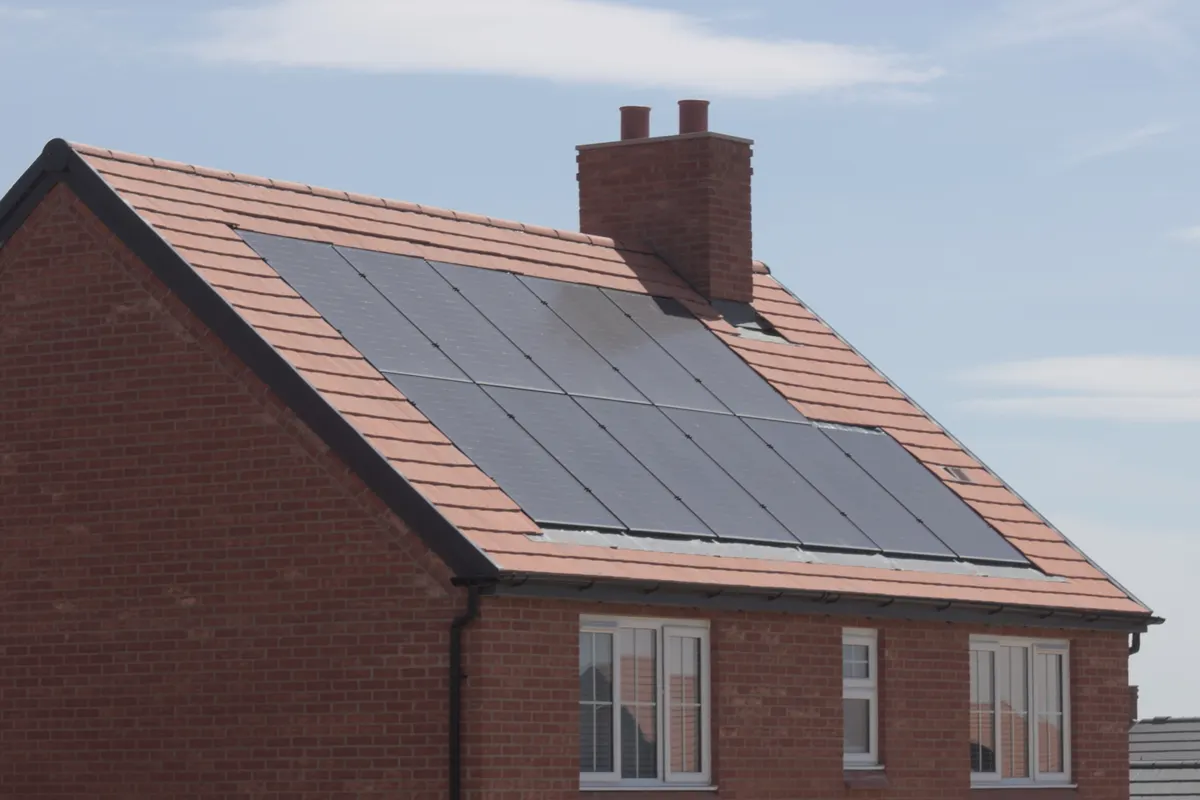
Generate your own electricity with roof-mounted solar panels, and store the surplus in a home battery to use in the evening instead of buying from the grid.
Learn more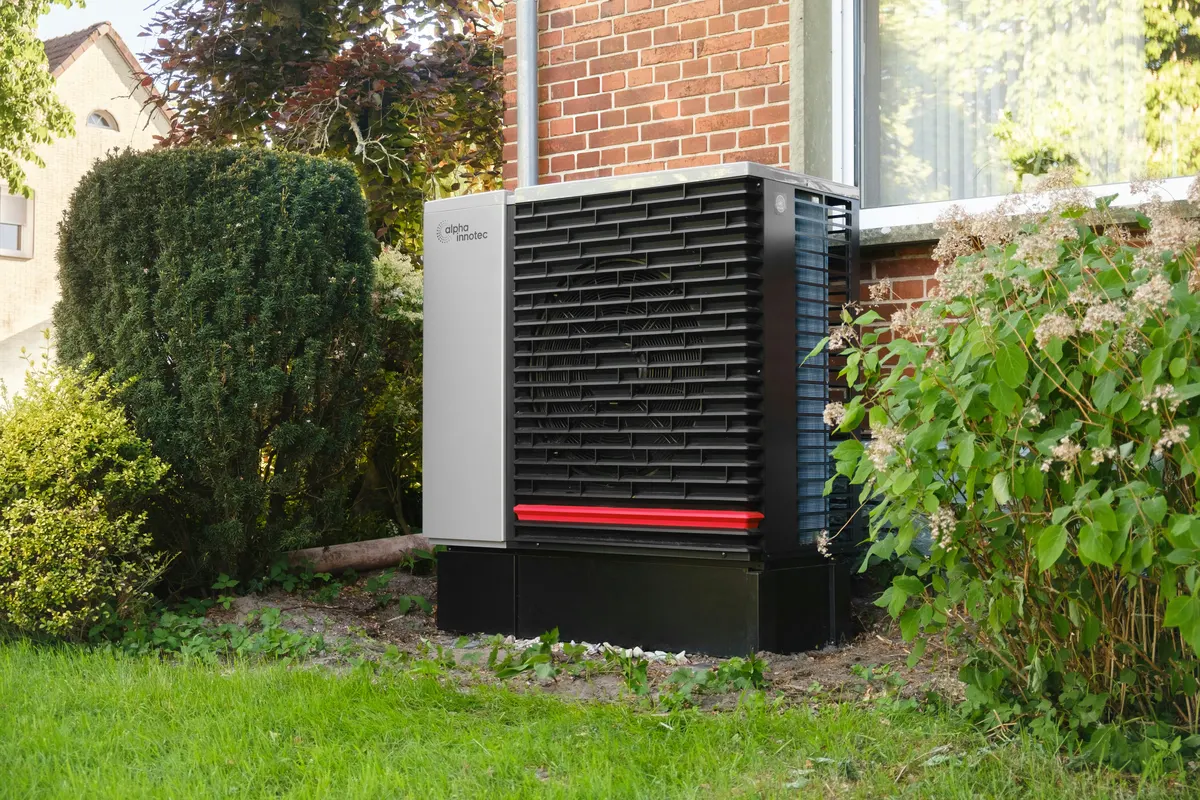
Swap gas, oil, LPG or electric heating for a heat pump sized from a proper heat loss survey, with grant eligibility checked before you commit.
Learn moreEcoBuild Contractors
Chat with us on WhatsApp
Hi there 👋
Send us a message or a few photos of the job and we will come back to you with a free quote.
We value your privacy
We use cookies to make this website work. With your consent we also use analytics cookies to see how people use the site, and advertising cookies to measure our ads. You can accept all, reject all or choose which ones to allow, and change your mind at any time. Cookie policy
Privacy preference centre
Choose which cookies we can use. Strictly necessary cookies are always on because the site cannot work without them. Your choice is saved on this device.
Remember your cookie choice. No tracking.
Google Analytics counts visits and shows which pages help people, so we can improve the site.
Google Ads measures whether our adverts lead to enquiries. Only used if you allow it.