
Property suitability surveys
A check of wall construction, cavity width, rain exposure, existing fill and brickwork condition before any price is given or any hole is drilled.
Home / Services / Loft & Insulation Solutions / Cavity Wall Insulation
As cavity wall insulation installers we fill the gap between the two leaves of your outside walls so less heat escapes, but only after checking that your walls are suitable for it.
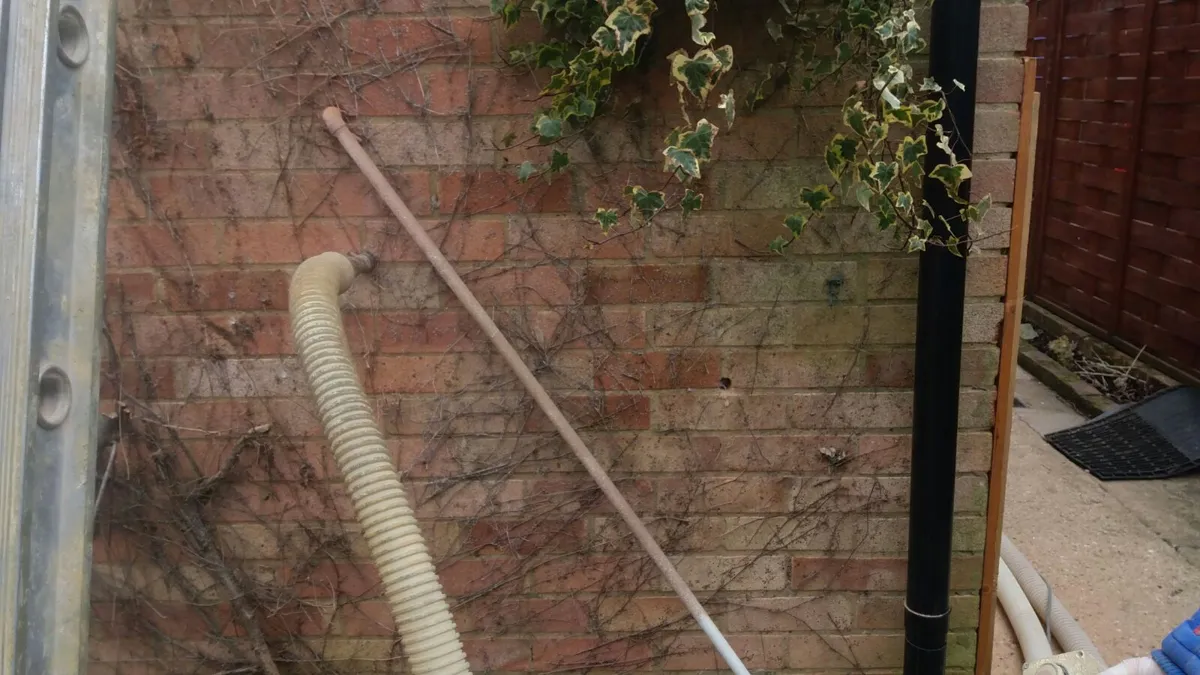
Most houses built in the UK from the 1920s onwards have outside walls made of two separate leaves of masonry with a gap between them. In many older cavity homes that gap was left empty, and air moving through it carries warmth straight out of the building. As cavity wall insulation installers, we fill that void with an insulating material, cutting heat loss through the walls without any change to the rooms inside.
Not every cavity should be filled, which is why our work starts with a survey rather than a drill. We confirm the wall type, measure the cavity width, assess how exposed the walls are to wind-driven rain, check for any existing fill and look closely at the condition of the brickwork, pointing and gutters. If your walls are not a good match, we will say so and suggest another way to insulate them.
When the walls are suitable, the installation itself is quick and done entirely from outside. Where appropriate we use blown mineral wool products such as Knauf Supafil, injected through small holes in the mortar joints and then made good. An average house is usually finished in a day. Some households may qualify for funding through government schemes; we can check whether you might be eligible, but it is never guaranteed.
A check of wall construction, cavity width, rain exposure, existing fill and brickwork condition before any price is given or any hole is drilled.
A small inspection hole lets us look inside the cavity with a borescope to see its width, cleanliness and any rubble or old insulation.
Where suitable we use products such as Knauf Supafil, a blown mineral wool that fills the cavity evenly and still lets the wall dry out.
On semi-detached and terraced homes a barrier is fitted at the boundary so the insulation stays inside your property and out of your neighbour's wall.
Air bricks serving underfloor voids, flues and room vents are sleeved through the cavity so the new fill cannot block them.
Cracked render, worn pointing, blocked gutters and leaking downpipes are flagged for repair first, because water getting into a filled cavity is the main cause of trouble.
We insulate cavity walls in houses, flats and commercial premises, with the same suitability checks on every building.
With the cavity filled, far less warmth escapes through the outside walls, and the inner face of each wall stays warmer to the touch.
Filled cavity walls are recorded on an Energy Performance Certificate and can lift your home's rating alongside loft insulation.
Because the heating has less lost warmth to replace, it runs for shorter periods, which can bring your energy bills down.
Everything happens from the outside, so there is no plastering, redecorating or moving furniture.
The first question is whether you have a cavity at all. Brick walls more than about 260mm thick, measured at a window or door frame, usually have one, and bricks laid entirely lengthways in a stretcher pattern are another sign. Solid walls are thinner and normally show a mix of long and short brick faces. Timber-framed and steel-framed houses can look like brick from the outside, but their cavities should not be filled.
Exposure matters just as much. Homes on hillsides, near the coast or with a wall facing the prevailing wind take a lot of wind-driven rain, and in the most exposed spots some fills are not appropriate. We also check that the brickwork is sound, the cavity is wide enough to fill evenly and clear of mortar droppings and rubble, and that the damp-proof course will not be bridged. If any of those checks fail, filling the cavity could draw damp across to the inner wall.
Most complaints about cavity wall insulation trace back to a handful of causes: walls that were too exposed for the material used, damaged brickwork or gutters letting water in, rubble in the cavity bridging the two leaves, or vents that were covered over. Any of these can lead to damp patches on internal walls, often appearing a winter or two after the work.
Our survey is designed to catch those issues before installation, and the material is chosen to suit the wall. After the work, keeping gutters clear, repointing when the mortar wears and fixing cracked render keeps the outer leaf weathertight, which is the best protection for a filled cavity.
An average semi-detached or terraced house is normally done in a day, sometimes in half a day. Larger detached homes can take longer.
For most brick cavities we use blown mineral wool, with products such as Knauf Supafil where suitable. The survey decides the material, because cavity width and rain exposure affect which fill is appropriate.
Inserting insulation into a cavity wall is building work under the Building Regulations, so it has to be notified to building control. We make sure that happens, and listed buildings may also need consent from the council.
Some eligible households may qualify for funding through government energy efficiency schemes. We can check your circumstances, but funding depends on the scheme rules at the time and is not guaranteed.
Only very slightly up close. The drill holes are roughly the size of a coin and are filled with mortar matched to your joints, so they are hard to spot from the street.
Tell us a little about your property and the work you need. Add a few photos if you can, it helps us give you an accurate price sooner.
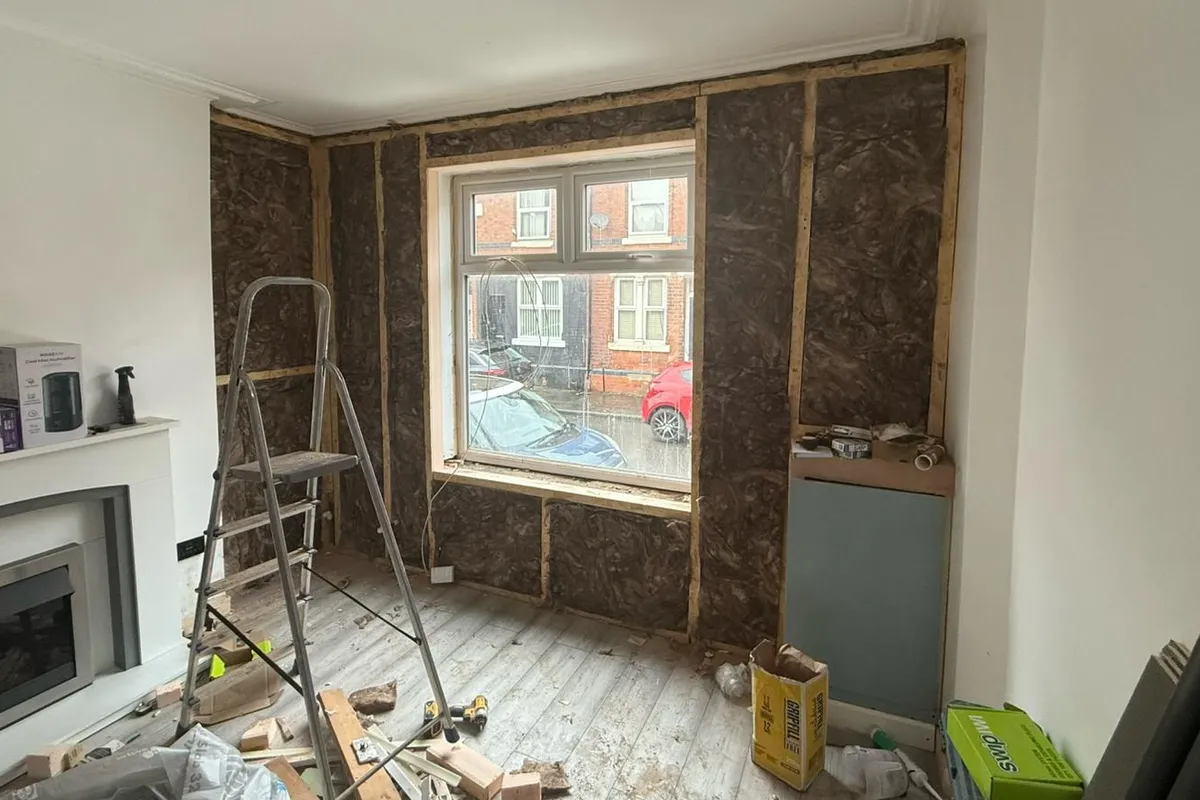
For solid-wall houses with no cavity. We line external walls from the inside with insulation, a vapour control layer and a fresh plaster finish ready to decorate.
Learn more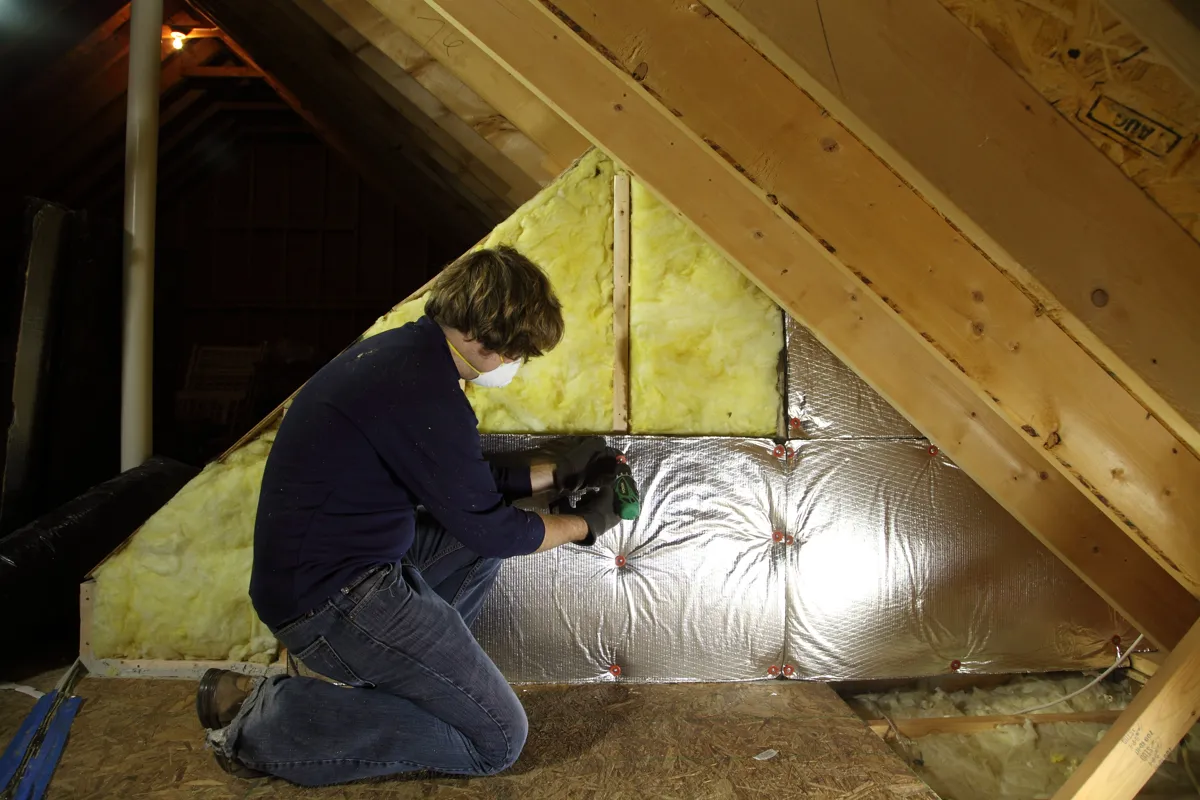
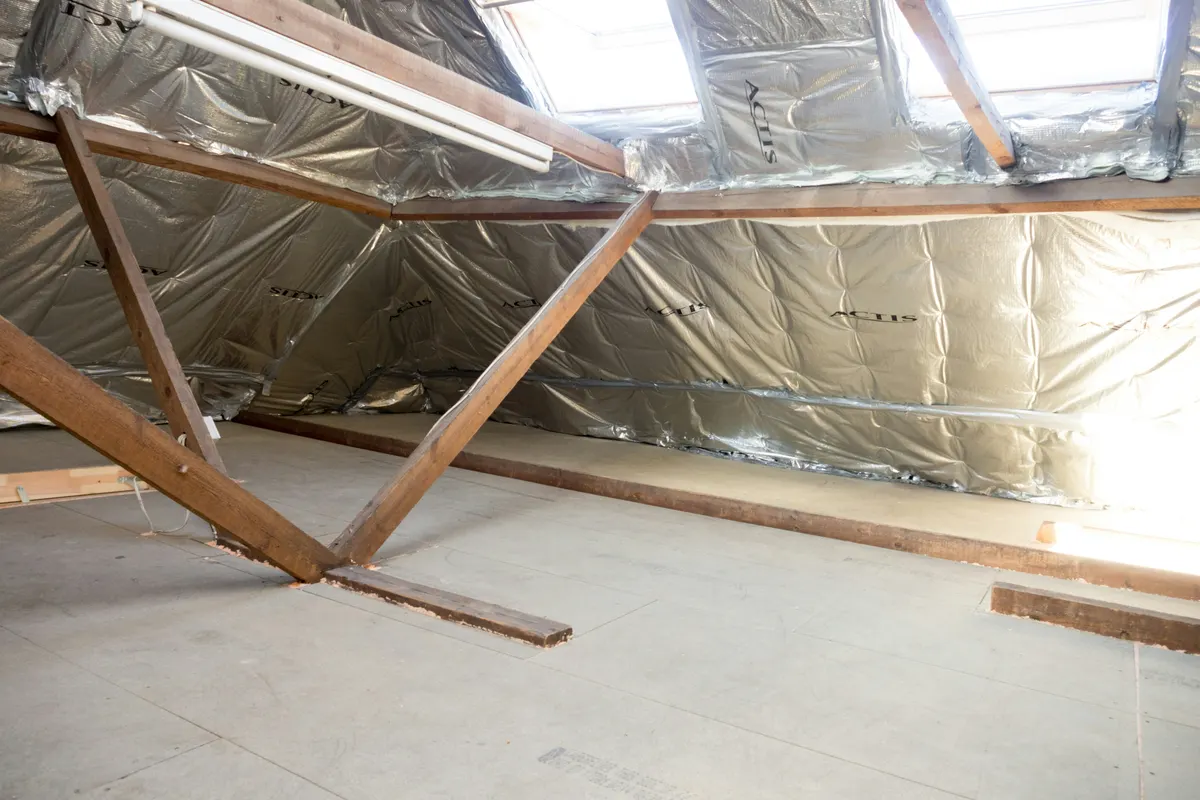
Old insulation removed, new mineral wool laid to around 270 to 300mm, then a raised storage floor, ladder and hatch fitted so the loft works properly.
Learn more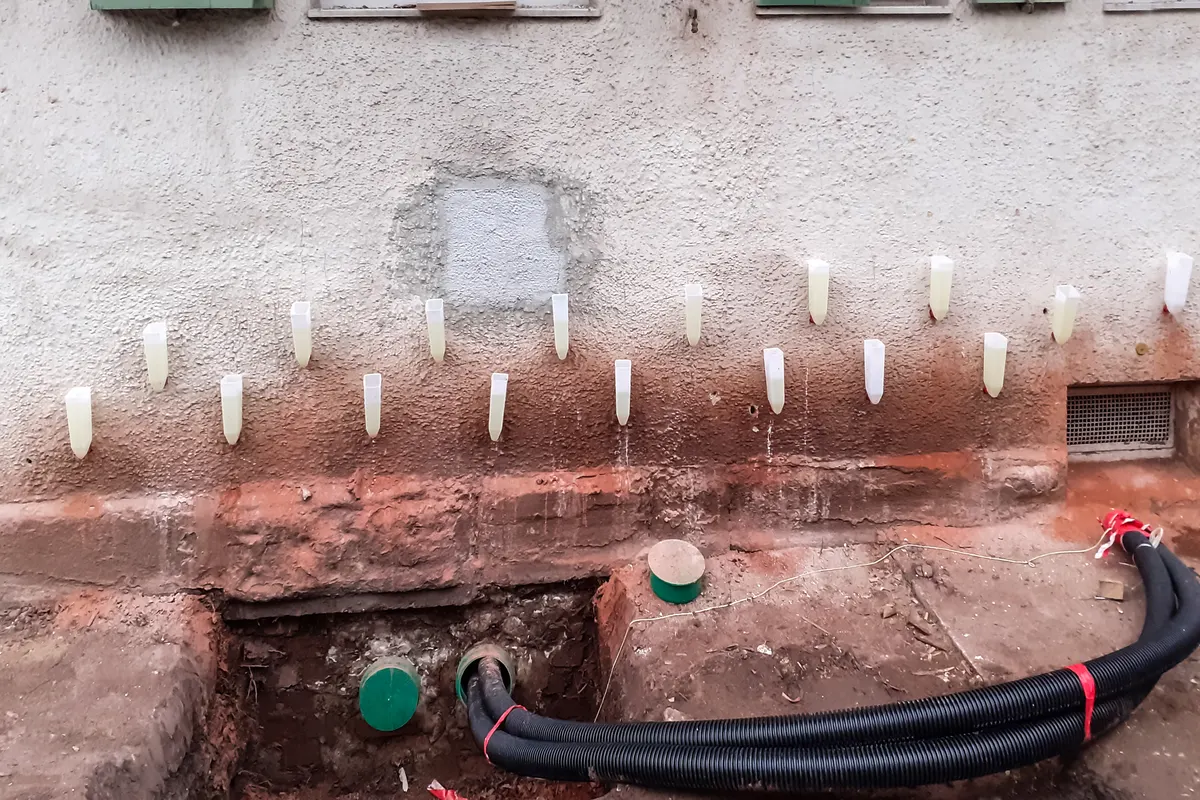
Damp surveys that find the real cause, then the right fix: damp proof course injection, penetrating damp repairs, replastering and cellar tanking for homes and businesses.
Learn moreEcoBuild Contractors
Chat with us on WhatsApp
Hi there 👋
Send us a message or a few photos of the job and we will come back to you with a free quote.
We value your privacy
We use cookies to make this website work. With your consent we also use analytics cookies to see how people use the site, and advertising cookies to measure our ads. You can accept all, reject all or choose which ones to allow, and change your mind at any time. Cookie policy
Privacy preference centre
Choose which cookies we can use. Strictly necessary cookies are always on because the site cannot work without them. Your choice is saved on this device.
Remember your cookie choice. No tracking.
Google Analytics counts visits and shows which pages help people, so we can improve the site.
Google Ads measures whether our adverts lead to enquiries. Only used if you allow it.