
Damp surveys and diagnosis
We take moisture readings, look at ground levels, gutters, pointing and ventilation, and tell you which type of damp you have before any work is priced.
Home / Services / Damp Proofing & Ventilation / Damp Proofing & Treatment
Damp proofing specialists who survey first and treat second, so the work you pay for is the work that actually stops the damp.
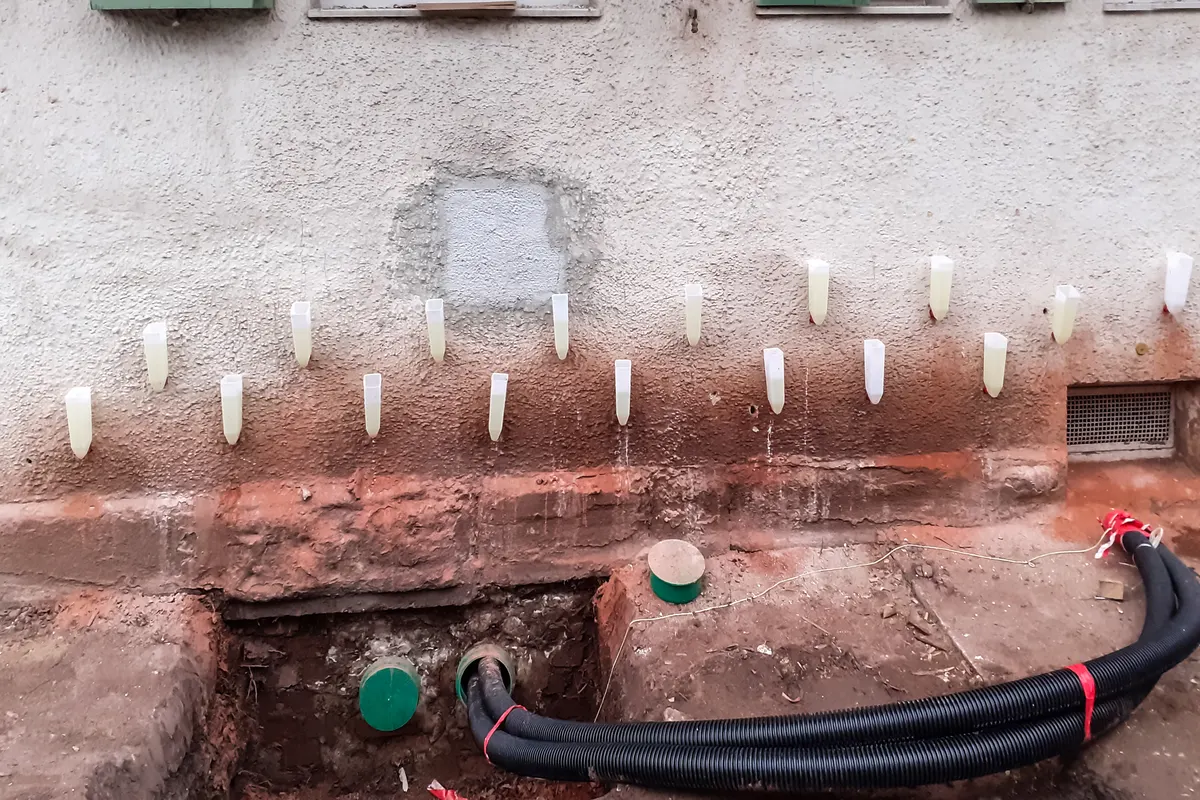
Damp proofing only works when it is aimed at the real cause. A tide mark along the bottom of a wall, a brown patch around a window and black spots in a cold corner can look alike, yet they come from three different problems: rising damp, penetrating damp and condensation. As damp proofing specialists, we start every job with a proper survey, find out where the moisture is coming from, then recommend the repair that will stop it rather than the most expensive one.
Plenty of houses are sold a chemical damp proof course they never needed. True rising damp is less common than many people think, and a wall that looks wet near the floor is often being soaked by a bridged damp proof course, soil or paving piled against the brickwork, a leaking pipe or cracked render. Fixing those faults first is cheaper and frequently solves the problem on its own.
Where treatment is needed, we inject a new damp proof course, strip and replace salt-contaminated plaster, repair the outside of the building, or tank cellars and basements. We work on houses, flats and commercial premises. Every quotation is free with no obligation, and it explains in plain terms what we found, what is causing it and why we are recommending each part of the work.
We take moisture readings, look at ground levels, gutters, pointing and ventilation, and tell you which type of damp you have before any work is priced.
For genuine rising damp we drill the mortar course low in the wall and inject a silicone-based cream that forms a new water-repellent barrier.
Ground salts left by rising damp keep drawing moisture from the air, so we hack off affected plaster and replaster with a salt-resistant render and finish.
We repoint failed mortar, repair cracked render, reseal window and door frames, and sort out leaking gutters and downpipes that soak the brickwork.
Patios, paths, flower beds and render laid above the existing damp proof course let water bypass it. We lower ground levels, cut back render and clear debris from cavities.
Below-ground rooms are waterproofed with a cementitious tanking slurry or a cavity drainage membrane, depending on how the space will be used.
Damp concrete floors that lift vinyl or rot carpet underlay can be sealed with a liquid or sheet membrane before new flooring goes down.
Skirting boards, floor joists and lintels next to damp walls are checked for wet rot and dry rot, so decayed timber is found and replaced before it spreads.
Blocked or buried airbricks starve suspended timber floors of air and invite rot. We clear, replace or add airbricks so the void underneath can dry out.
Diagnosing the cause first stops you paying for injection or tanking that would never have cured the damp.
Drier walls mean less mould, no musty smell and fewer of the breathing problems that damp homes can bring.
Persistent moisture rots skirting boards, floor joists and timber lintels. Stopping it early avoids far bigger repair bills later.
Damp shows up on buyers' surveys and in tenant complaints. A recorded, properly diagnosed repair helps when you sell, remortgage or let the property.
Rising damp is ground water drawn up through brick and mortar where the damp proof course has failed, is missing or has been bridged. It usually stays within the first metre or so of the wall, leaves a horizontal tide mark, and carries salts that make plaster bubble and paint flake. It only affects ground floor walls and tends to be worst on outside walls.
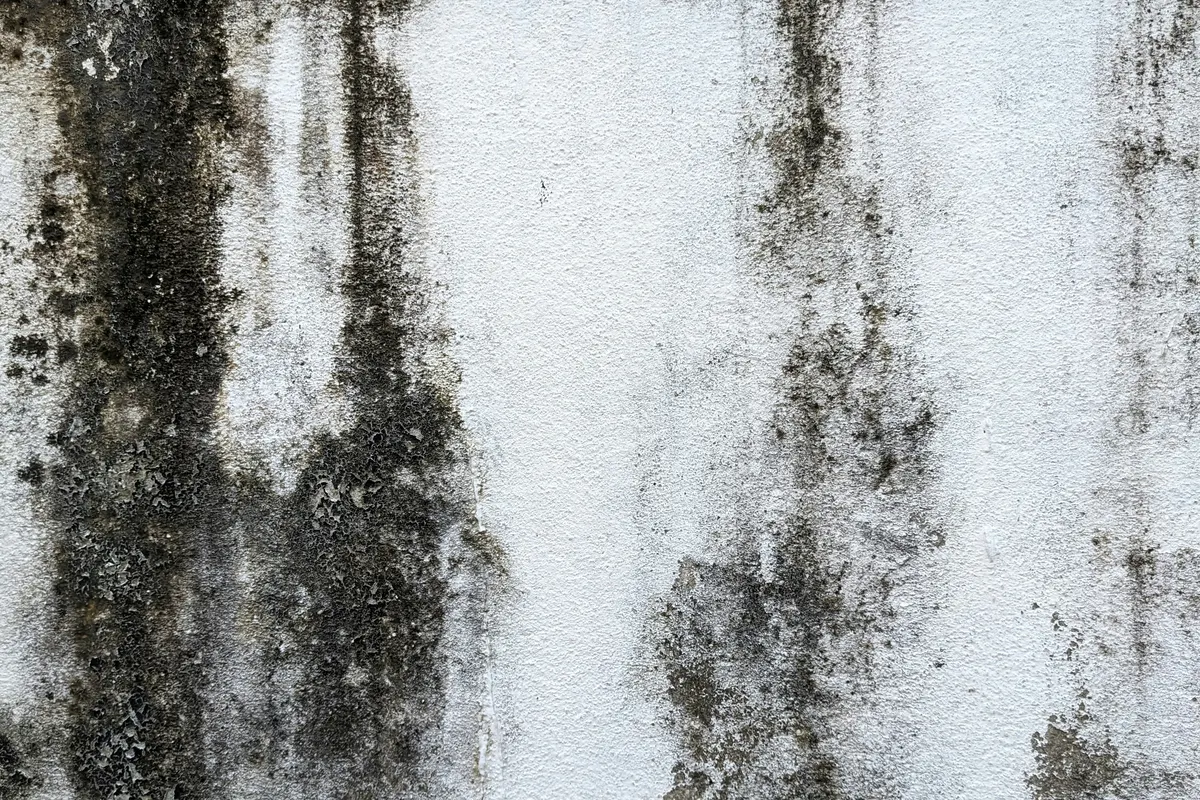
Penetrating damp is rain getting in sideways or from above. It shows as patches that grow darker after wet weather, often near windows, chimney breasts, under gutters or on walls facing the prevailing wind, and it can appear on any floor. Condensation is moisture from inside the home settling on cold surfaces. It peaks in winter and shows up as water on windows and black mould in corners and behind furniture.
A good surveyor reads these signs alongside moisture readings taken at different heights and depths. Surface meters on their own can be fooled by salts or foil-backed wallpaper, which is why we never base a recommendation on a single reading.
Water has to get into a wall before it can cause damp, so the cheapest repairs are usually on the outside. Earth or paving built up against the brickwork, a gutter dripping down the face of the wall, or render taken all the way to the ground will wet the base of a wall even when the original damp proof course is still working.
We put these repairs at the top of every quotation. Once they are done, many walls dry out without any injection at all, and where a new damp proof course is still needed it has a much better chance of lasting.
Injecting the affected walls of a typical house usually takes one to two days. Removing old plaster and replastering adds a few more days, and the walls then need time to dry before final decoration.
Use a breathable emulsion on new plaster at first so moisture left in the wall can escape. Vinyl paints and wallpaper should wait until the wall has fully dried out.
No. A dehumidifier dries the air in a room and helps with condensation, but it cannot stop ground water travelling up through the masonry.
Most policies exclude damp that develops gradually, while damage from a sudden escape of water, such as a burst pipe, is often covered. Check your policy wording or ask your insurer before work starts.
Yes. We survey and treat damp for landlords, letting agents and business owners as well as homeowners, and our written findings can be shared with tenants or managing agents.
Tell us a little about your property and the work you need. Add a few photos if you can, it helps us give you an accurate price sooner.
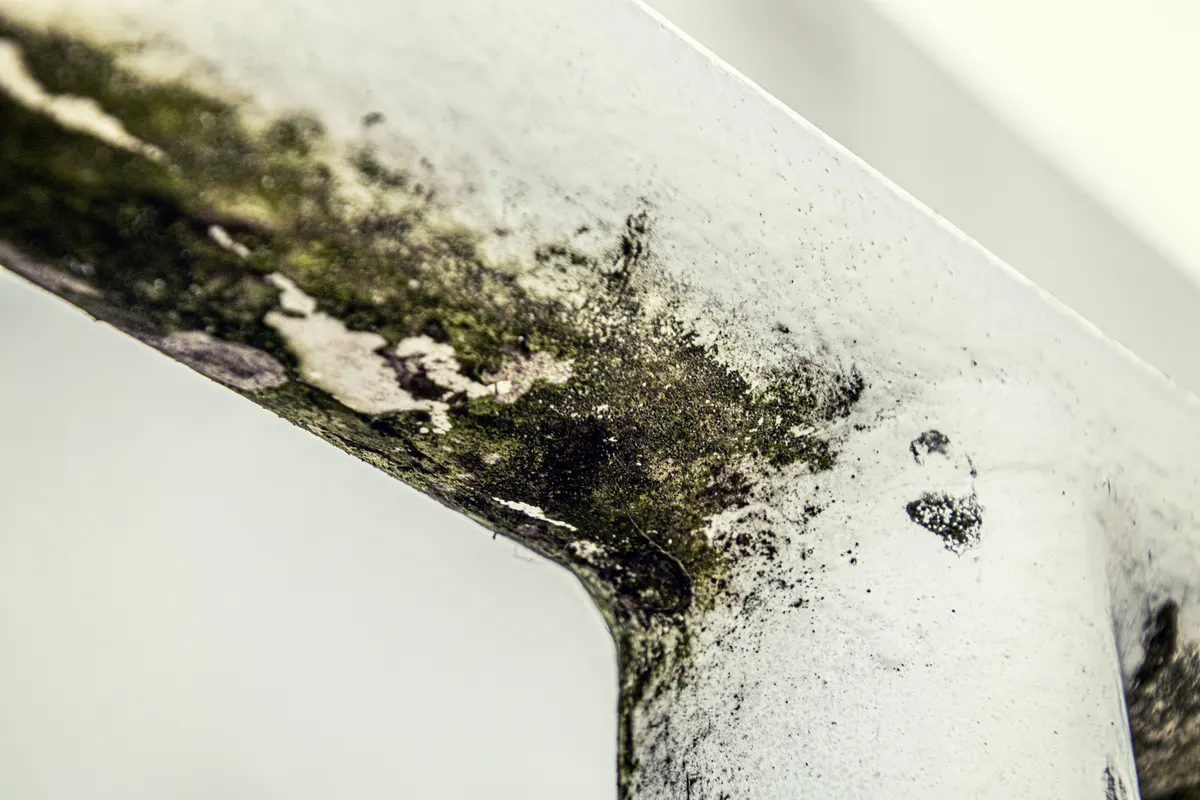
Black mould removed, condensation and damp investigated, then ventilation, extractor fans, PIV and anti-mould coatings fitted so the problem stops coming back.
Learn more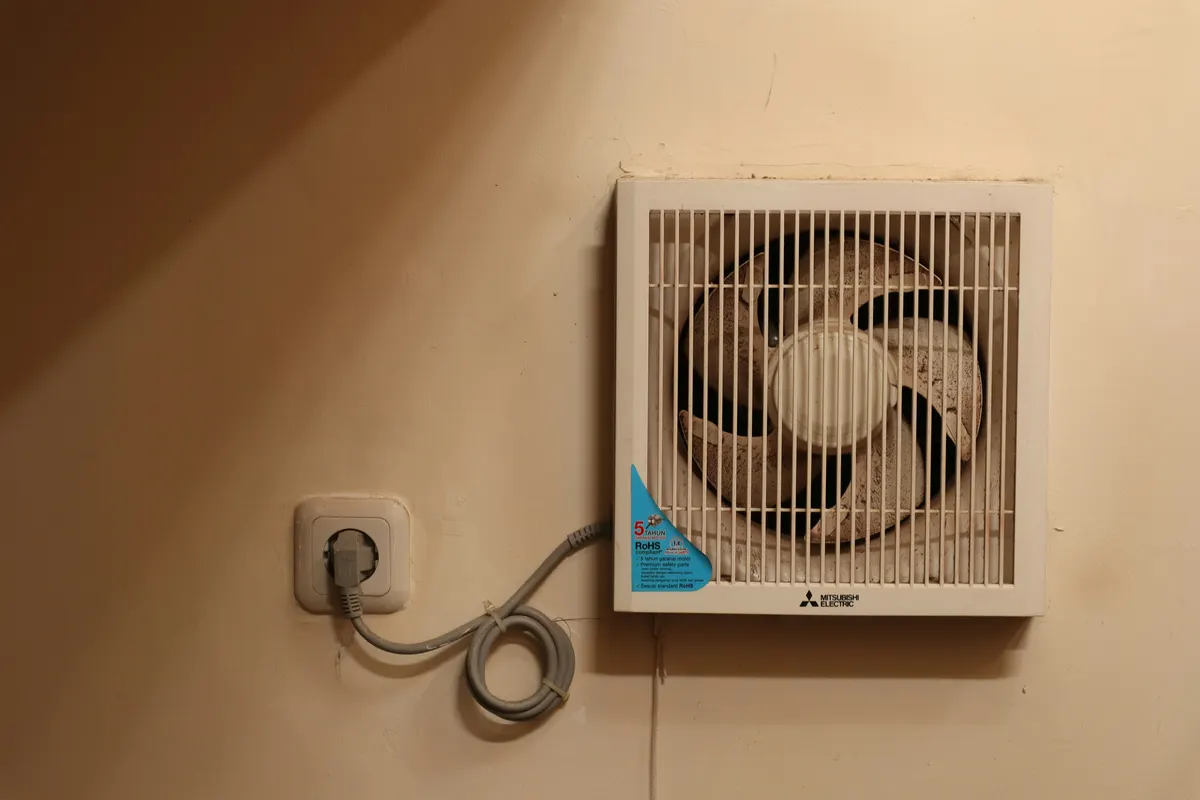
Humidistat, continuous running and kitchen extractor fans plus loft-mounted Positive Input Ventilation, sized to Approved Document F to clear steam and stop condensation.
Learn more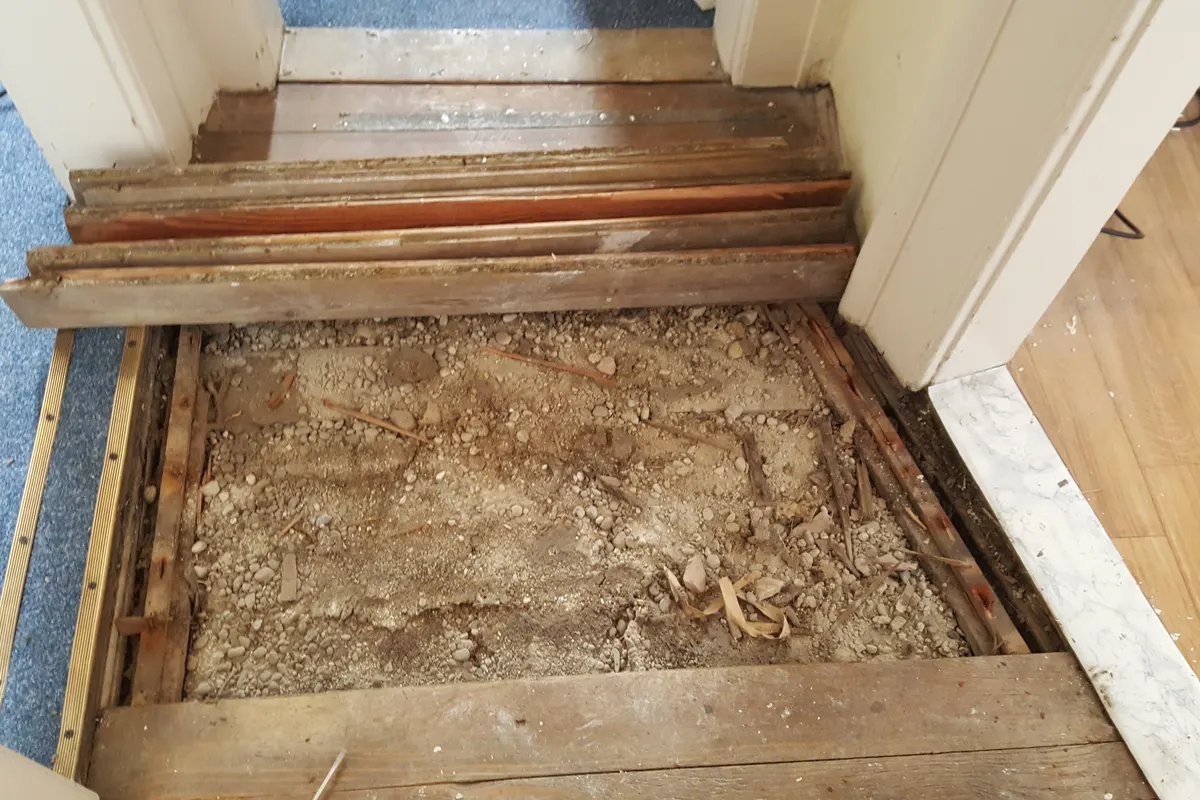
Cold, draughty floorboards? We insulate between the joists of suspended timber floors, seal the gaps and keep air bricks clear so the void stays ventilated.
Learn moreEcoBuild Contractors
Chat with us on WhatsApp
Hi there 👋
Send us a message or a few photos of the job and we will come back to you with a free quote.
We value your privacy
We use cookies to make this website work. With your consent we also use analytics cookies to see how people use the site, and advertising cookies to measure our ads. You can accept all, reject all or choose which ones to allow, and change your mind at any time. Cookie policy
Privacy preference centre
Choose which cookies we can use. Strictly necessary cookies are always on because the site cannot work without them. Your choice is saved on this device.
Remember your cookie choice. No tracking.
Google Analytics counts visits and shows which pages help people, so we can improve the site.
Google Ads measures whether our adverts lead to enquiries. Only used if you allow it.