
Loft ventilation assessments
A full look at condensation, mould, insulation and existing vents to find why moisture is building up.
Home / Services / Loft & Insulation Solutions / Loft Ventilation
Good loft ventilation carries damp air out of the roof space before it can condense on the felt, soak the timbers and spoil the insulation.
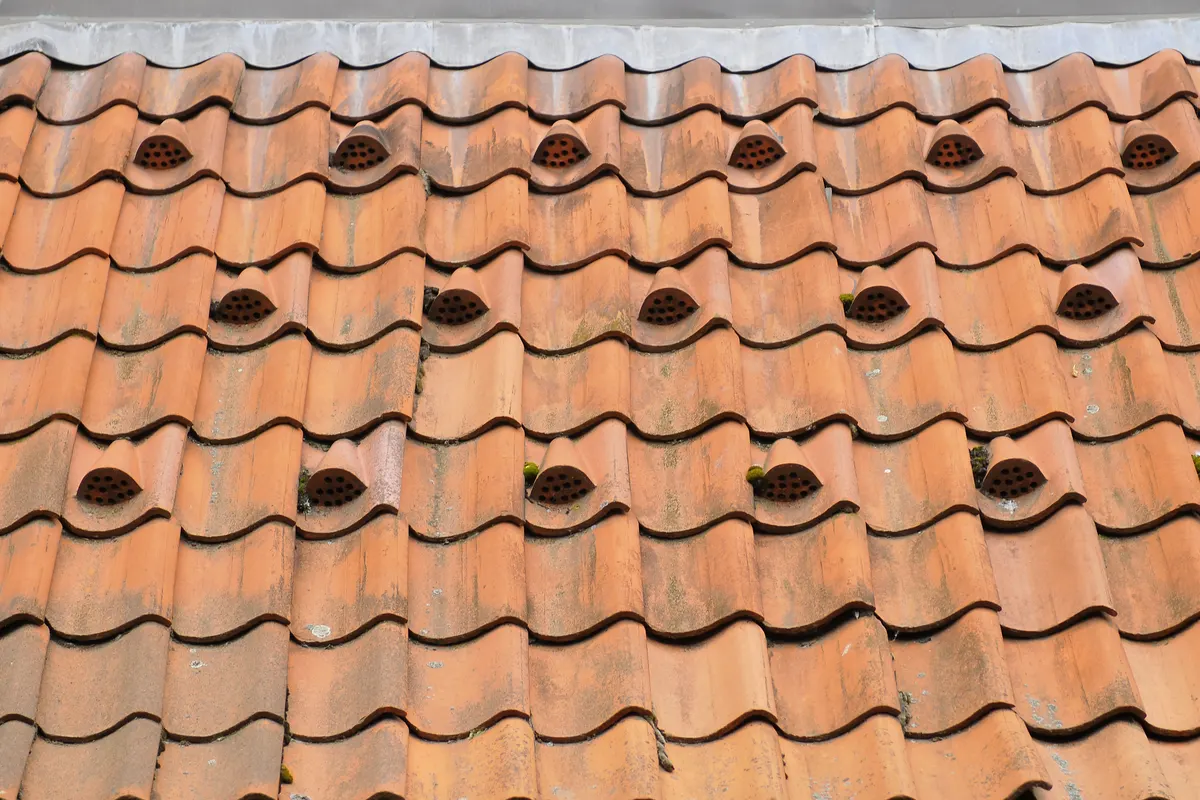
Every home puts moisture into the air from cooking, washing, drying clothes and simply breathing, and some of that warm, damp air finds its way into the loft. In a cold roof space it meets the underside of the roof covering and turns back into water. Without enough loft ventilation, the result is dripping felt, damp patches on ceilings, black mould on the rafters and insulation that is wet when it should be dry.
The problem often starts after an improvement. Thick new insulation makes the roof space colder, roofs get re-covered with an underlay that does not breathe, and eaves get packed with insulation so outside air can no longer get in at the edges. We look at how air enters and leaves your roof, then fit vents in the right places to get it moving again.
Vents work best alongside a few other fixes. Sealing the loft hatch and the gaps around pipes, cables and downlights cuts the amount of moist air reaching the roof in the first place, and bathroom and kitchen fans must vent outside rather than into the loft. We check all of these on the survey, because no vent will cure a fan that blows steam straight into the roof.
A full look at condensation, mould, insulation and existing vents to find why moisture is building up.
Small vents slotted between the overlaps of the roofing felt from inside the loft, letting damp air out without lifting any tiles.
Eaves trays and rafter vents that hold insulation back so air can flow in at the edges of the roof.
Vents in the soffit boards or along the fascia that draw fresh outside air into the loft.
Tile, slate or ridge vents added where the roof needs more air leaving at high level.
A draught seal on the hatch and sealing around pipes and cables, so less moist air reaches the roof in the first place.
Blocked eaves cleared and bathroom or kitchen fan ducts that stop in the loft extended to a proper outlet.
Extra ventilation for lofts that have had new insulation or a new roof covering and started to show condensation.
Moving air carries moisture away before it can soak the rafters and battens and lead to rot.
Wet insulation loses much of its value, so a dry loft protects the money already spent on it.
Water forming on the underside of the roof and dripping onto boxes and ceilings is reduced or stopped.
Damp patches and mould spots on upstairs ceilings often clear up once the roof space above dries out.
Look up into the loft on a cold morning. Droplets on the underside of the felt, or on nails poking through the roof boards, are a clear sign of condensation. Other clues are a musty smell, black or white mould spots on the rafters, damp or stained insulation, rusty nail heads and water marks on stored boxes.
Inside the house, mould or damp patches on bedroom ceilings near the outside walls can point to cold, wet insulation above. If these appear soon after new insulation or a new roof covering has gone in, airflow in the roof is the first thing to check.
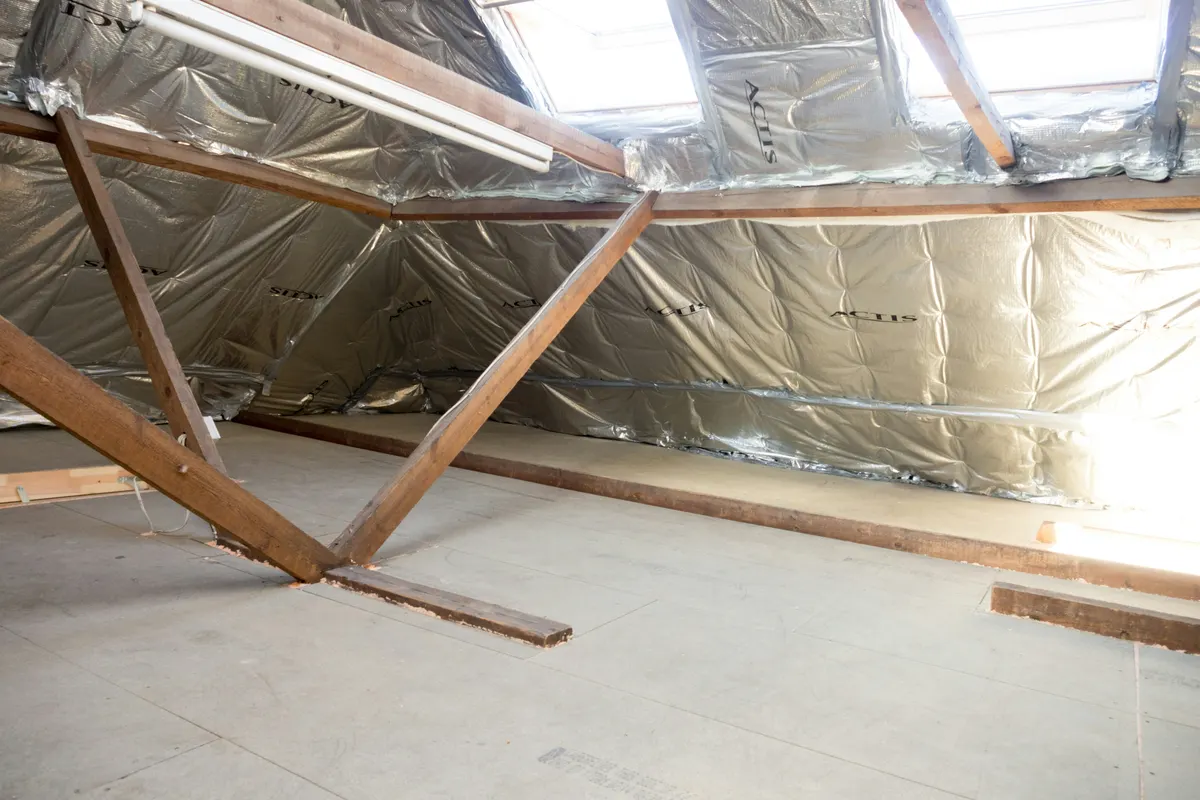
Vapour-permeable underlays let some moisture pass out through the roof covering, so they need less ventilation than older bitumen felt. They are not a complete answer on their own. In homes that produce a lot of moisture, roofs with a tightly sealed covering, or lofts where insulation is pushed into the eaves, extra ventilation is often still needed.
Guidance on controlling condensation in roofs is set out in British Standard BS 5250 and referred to in Approved Document C of the Building Regulations. On the survey we go by what is actually happening in your loft rather than the type of underlay alone.
It can if the eaves get blocked, because a well insulated loft runs colder. With eaves trays and enough airflow, a full depth of insulation and a dry loft go together.
It depends on the size and shape of the roof, the underlay and how much moisture the house produces. We work it out on the survey rather than fitting a fixed number.
No. That sends more warm, moist air into the roof and makes condensation worse. Keep the hatch sealed and let outside air ventilate the loft instead.
Surface mould on timber is usually a symptom rather than a structural problem, but it should be cleaned off and the cause fixed. Timber that stays wet for long periods can start to rot.
Often not. Felt lap vents and eaves trays are fitted from inside the loft, while tile, ridge and some soffit vents are fitted from outside, which may need ladders or access equipment. We explain the access needed when we quote.
Tell us a little about your property and the work you need. Add a few photos if you can, it helps us give you an accurate price sooner.
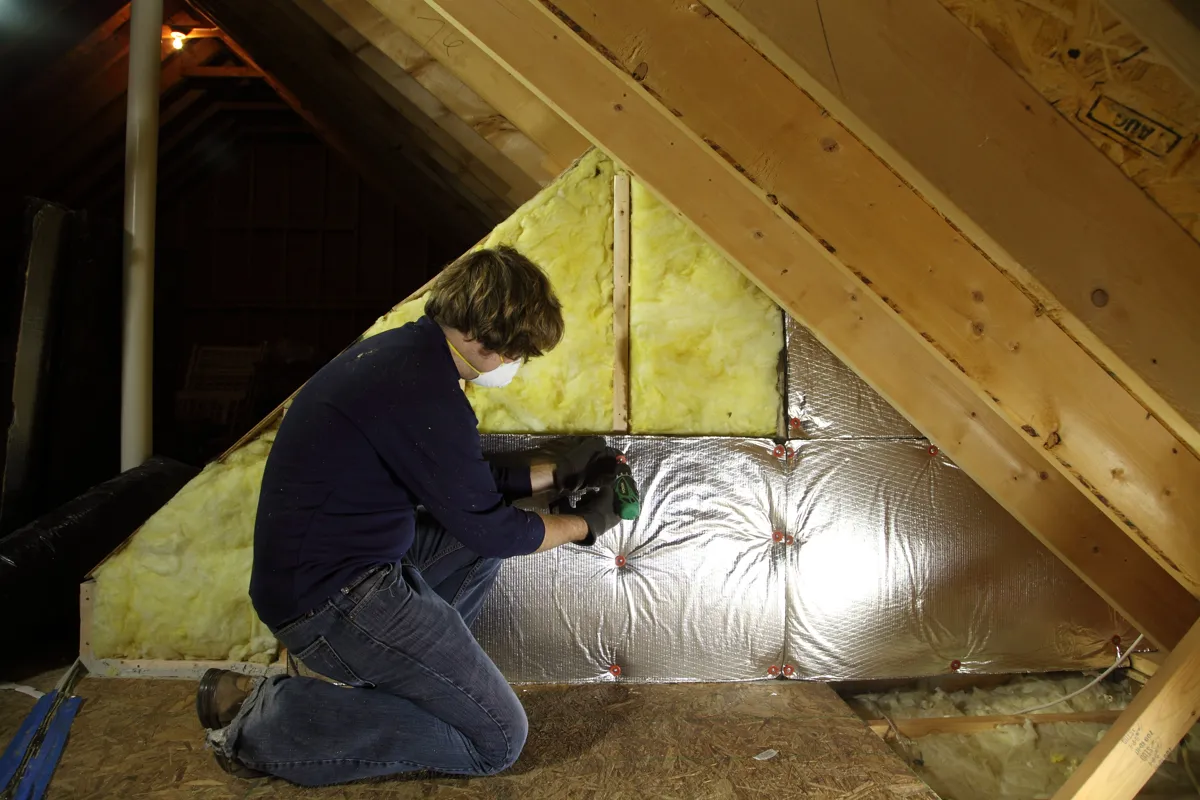
Old insulation removed, new mineral wool laid to around 270 to 300mm, then a raised storage floor, ladder and hatch fitted so the loft works properly.
Learn more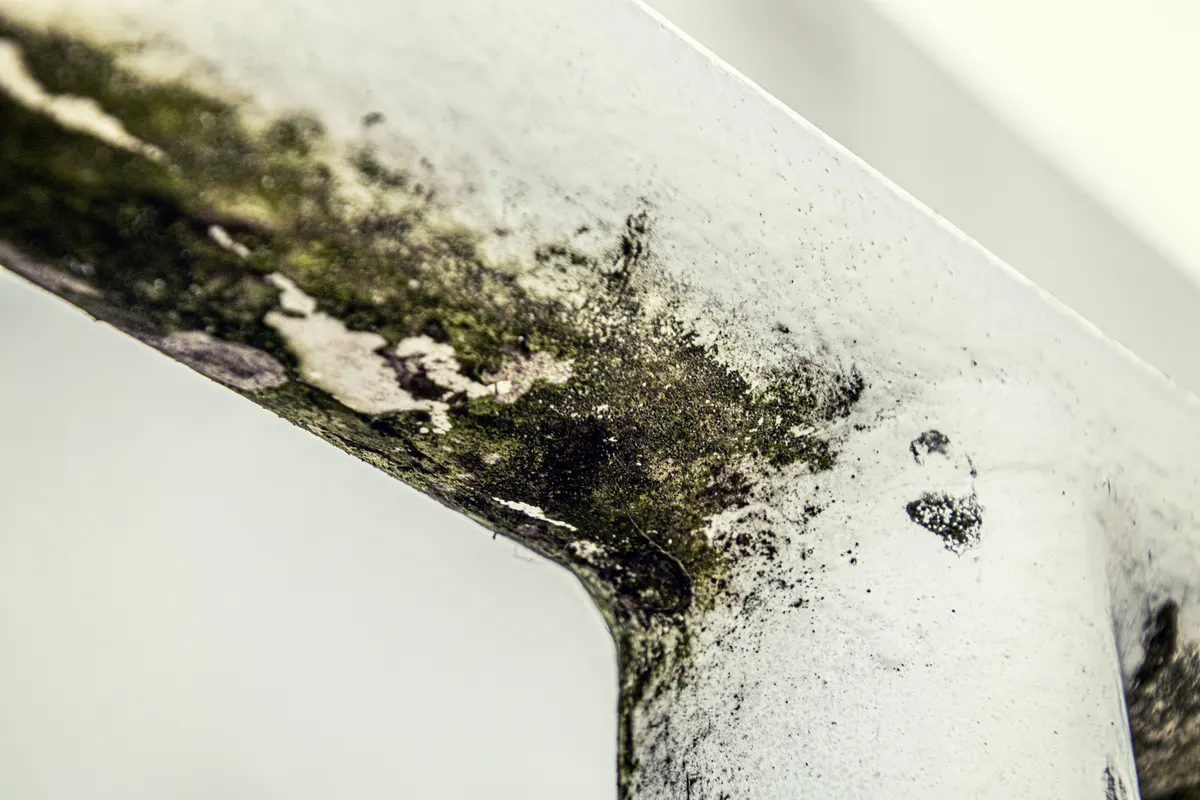
Black mould removed, condensation and damp investigated, then ventilation, extractor fans, PIV and anti-mould coatings fitted so the problem stops coming back.
Learn more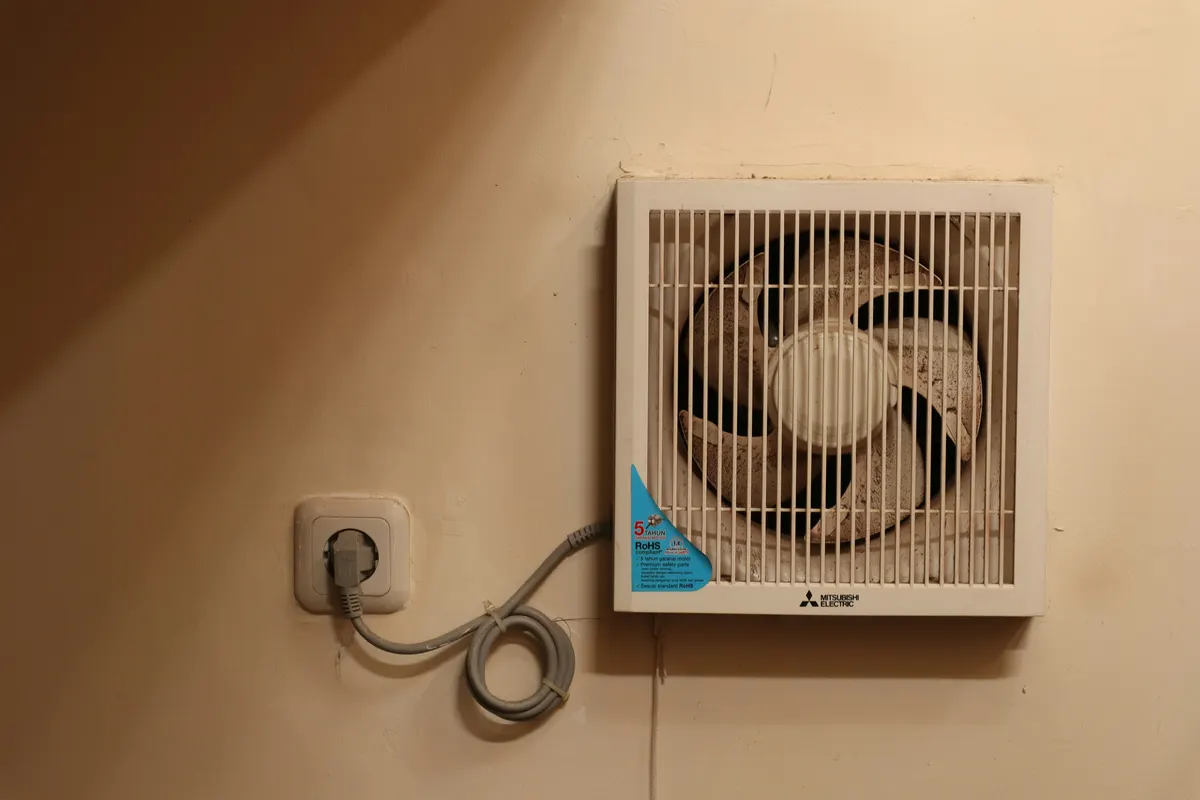
Humidistat, continuous running and kitchen extractor fans plus loft-mounted Positive Input Ventilation, sized to Approved Document F to clear steam and stop condensation.
Learn moreEcoBuild Contractors
Chat with us on WhatsApp
Hi there 👋
Send us a message or a few photos of the job and we will come back to you with a free quote.
We value your privacy
We use cookies to make this website work. With your consent we also use analytics cookies to see how people use the site, and advertising cookies to measure our ads. You can accept all, reject all or choose which ones to allow, and change your mind at any time. Cookie policy
Privacy preference centre
Choose which cookies we can use. Strictly necessary cookies are always on because the site cannot work without them. Your choice is saved on this device.
Remember your cookie choice. No tracking.
Google Analytics counts visits and shows which pages help people, so we can improve the site.
Google Ads measures whether our adverts lead to enquiries. Only used if you allow it.