
Full house rewires
Every circuit, cable, back box and accessory replaced, with a new consumer unit and RCD protection throughout.
Home / Services / Electrical Services / House Rewiring
Full house rewiring and partial rewires carried out to the current wiring regulations, BS 7671, with every socket and light planned in advance.
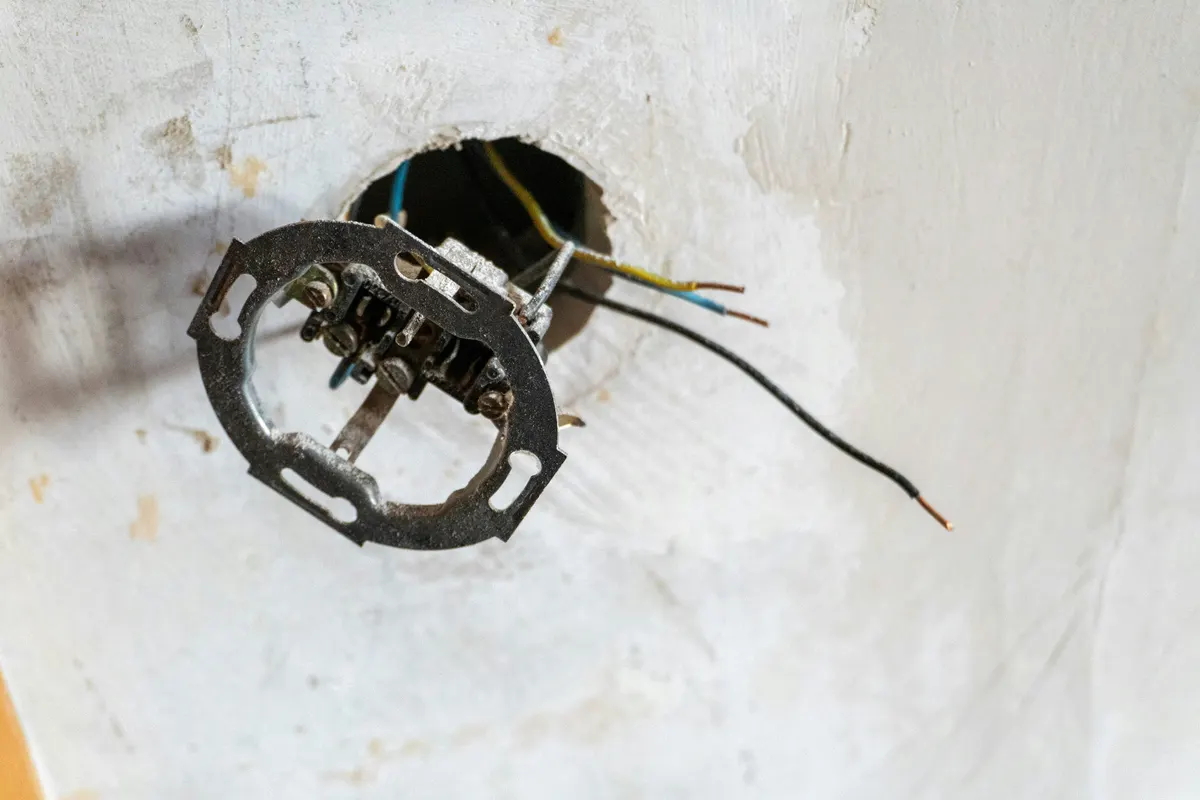
Wiring does not last forever. Rubber or fabric-insulated cable, an old fuse box with rewireable fuses, too few sockets and no RCD protection are all signs that a property may be due for full house rewiring. We carry out full and partial rewires for houses, flats and commercial premises, replacing worn cables and accessories with an installation that meets the current wiring regulations, BS 7671, and suits the way you use electricity today.
A rewire is a big job, but with good planning it is less disruptive than people expect. We agree the position of every socket, switch and light before work starts, lift floorboards and chase walls only where we need to, and keep some power and lighting available at the end of each day where we can if you are living in the property.
All electrical work is carried out by competent, qualified electricians with certification provided where applicable. A rewire is notifiable work under Part P of the Building Regulations, which means it must either be self-certified by an electrician registered with a competent person scheme or approved through building control. Either way, you should receive the paperwork that proves the job was done properly.
Every circuit, cable, back box and accessory replaced, with a new consumer unit and RCD protection throughout.
Individual circuits or floors rewired when testing shows that only part of the installation is unsafe or out of date.
First-fix wiring while floors and walls are open for an extension, loft conversion or kitchen refit, then second fix once plastering is done.
Old fuse boxes swapped for a modern consumer unit with RCD or RCBO protection, and surge protection where it is required.
More double sockets, USB outlets, outside sockets and dedicated circuits for cookers, electric showers and home offices.
New lighting circuits, downlights, two-way switching for stairs and landings, and outside security lighting.
A condition report on the existing wiring tells you whether it can be repaired or needs replacing before you commit to a rewire.
Circuits that trip, sockets that have stopped working and lights that flicker are investigated, with honest advice on whether the fault points to a wider rewire.
Rewires for rented homes, HMOs, shops and offices, scheduled around tenants and trading hours to keep disruption down.
New cable, RCD protection and proper earthing greatly reduce the risk of electric shock and electrical fire.
A rewire is the ideal moment to put sockets, USB points and lights in the right places instead of relying on extension leads.
Circuits are designed for today's appliances and home working, with room for later additions such as an EV charge point or a heat pump.
Certificates and the building control record show the work meets the regulations, which helps when you sell, remortgage or insure the property.
Warning signs include a fuse box with rewireable fuses or a wooden back, black rubber or fabric-covered cables, round-pin sockets, scorch marks or warm sockets, flickering lights, and fuses or breakers that blow or trip often. A lack of RCD protection, too few sockets and a house full of extension leads also point to an installation that was never designed for modern use.
The reliable way to find out is an Electrical Installation Condition Report. An electrician tests each circuit and codes any defects, and the report shows whether repairs, a partial rewire or a full rewire is the sensible next step. Homes that still have rubber-insulated cable, which was phased out in the 1960s, almost always need rewiring.
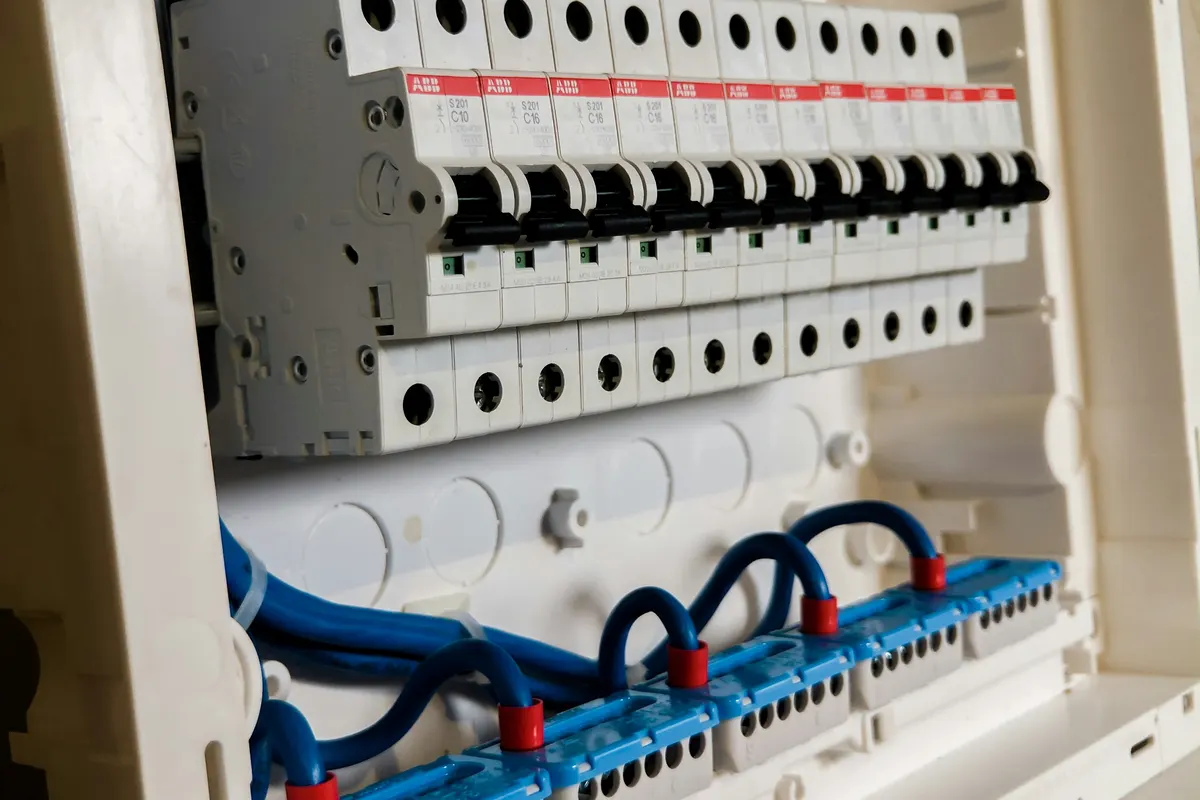
Most of the effort on a rewire goes into first fix: lifting floorboards, chasing walls and running new cables. In an empty property this is quickest, because every room can be opened up at once. If you are living there, we work room by room, aim to leave essential circuits working overnight, and cover furniture and floors against dust.
After second fix and testing, chased walls need filling or patch plastering and then redecorating. Many people plan a rewire just before decorating or before moving in, so the messy part is finished before new carpets and paint go down.
No. Cables are chased into walls only where needed, and many runs go under floors or through ceilings. Chases are filled afterwards, though some patch plastering and redecoration are normally needed.
In most cases, yes. New circuits need RCD protection and a consumer unit that meets current regulations, so an old fuse box is normally replaced as part of the job.
A partial rewire replaces selected circuits, such as one floor or the kitchen, where the rest of the wiring tests satisfactorily. A full rewire replaces every circuit, usually because the cable throughout is old or damaged.
Often, if they are in good condition and suitable for where they are fitted. Fittings that are damaged, have unearthed metal parts or are not rated for a bathroom will be replaced.
Unsafe or outdated wiring found by a buyer's survey or condition report usually affects offers. Some sellers rewire first, while others get a condition report and price the work into the sale.
Tell us a little about your property and the work you need. Add a few photos if you can, it helps us give you an accurate price sooner.

Electricians for homes, landlords and businesses: EICRs, consumer unit upgrades, EV charge points, fault finding, new sockets and lighting, all tested and certified.
Learn more
Generate your own electricity with roof-mounted solar panels, and store the surplus in a home battery to use in the evening instead of buying from the grid.
Learn more
Swap gas, oil, LPG or electric heating for a heat pump sized from a proper heat loss survey, with grant eligibility checked before you commit.
Learn moreEcoBuild Contractors
Chat with us on WhatsApp
Hi there 👋
Send us a message or a few photos of the job and we will come back to you with a free quote.
We value your privacy
We use cookies to make this website work. With your consent we also use analytics cookies to see how people use the site, and advertising cookies to measure our ads. You can accept all, reject all or choose which ones to allow, and change your mind at any time. Cookie policy
Privacy preference centre
Choose which cookies we can use. Strictly necessary cookies are always on because the site cannot work without them. Your choice is saved on this device.
Remember your cookie choice. No tracking.
Google Analytics counts visits and shows which pages help people, so we can improve the site.
Google Ads measures whether our adverts lead to enquiries. Only used if you allow it.